Art In Multiple Forms : A Conversation With Natasha W. Muhanji
The Editors
Contributor
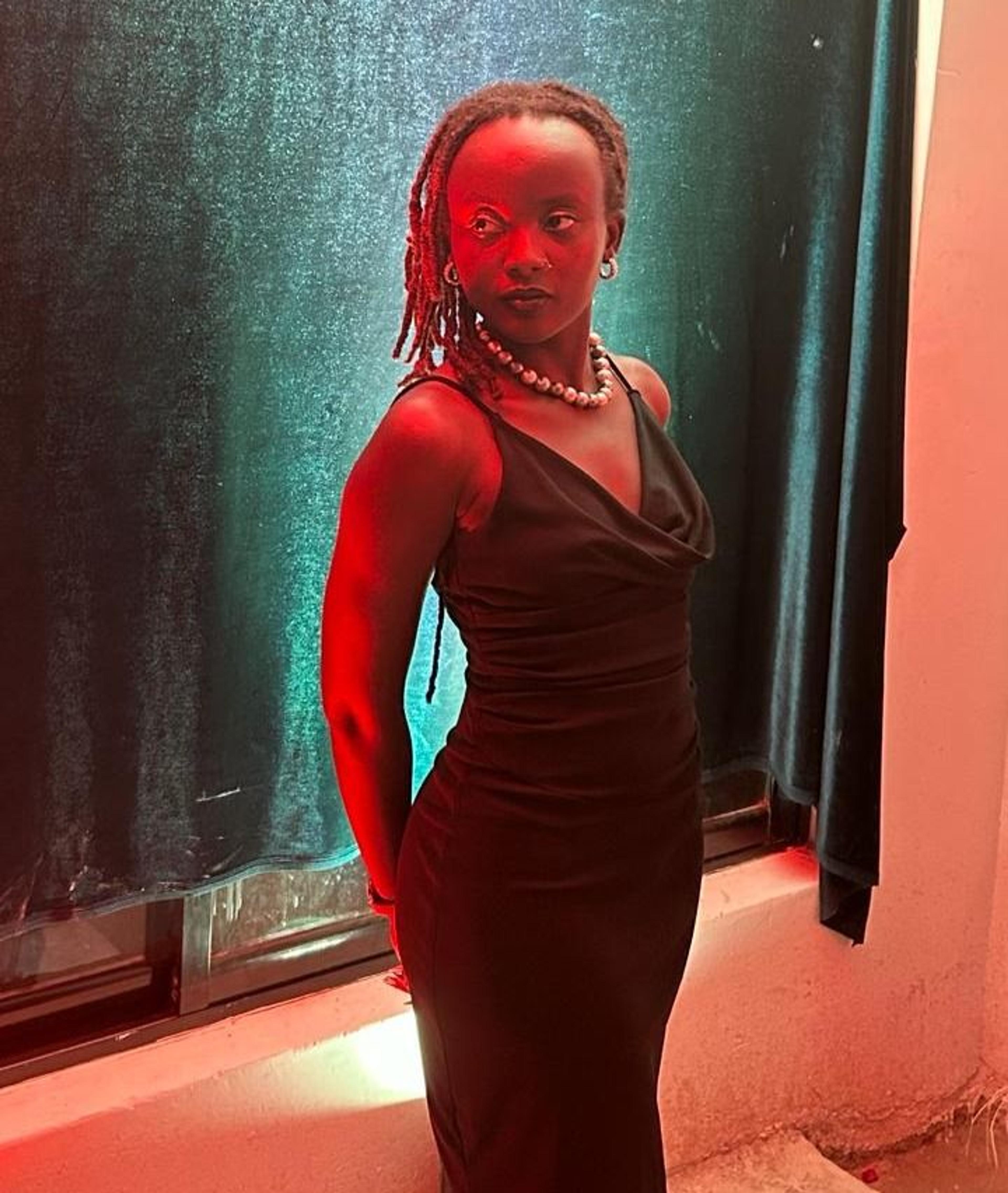
Image : George Kuria
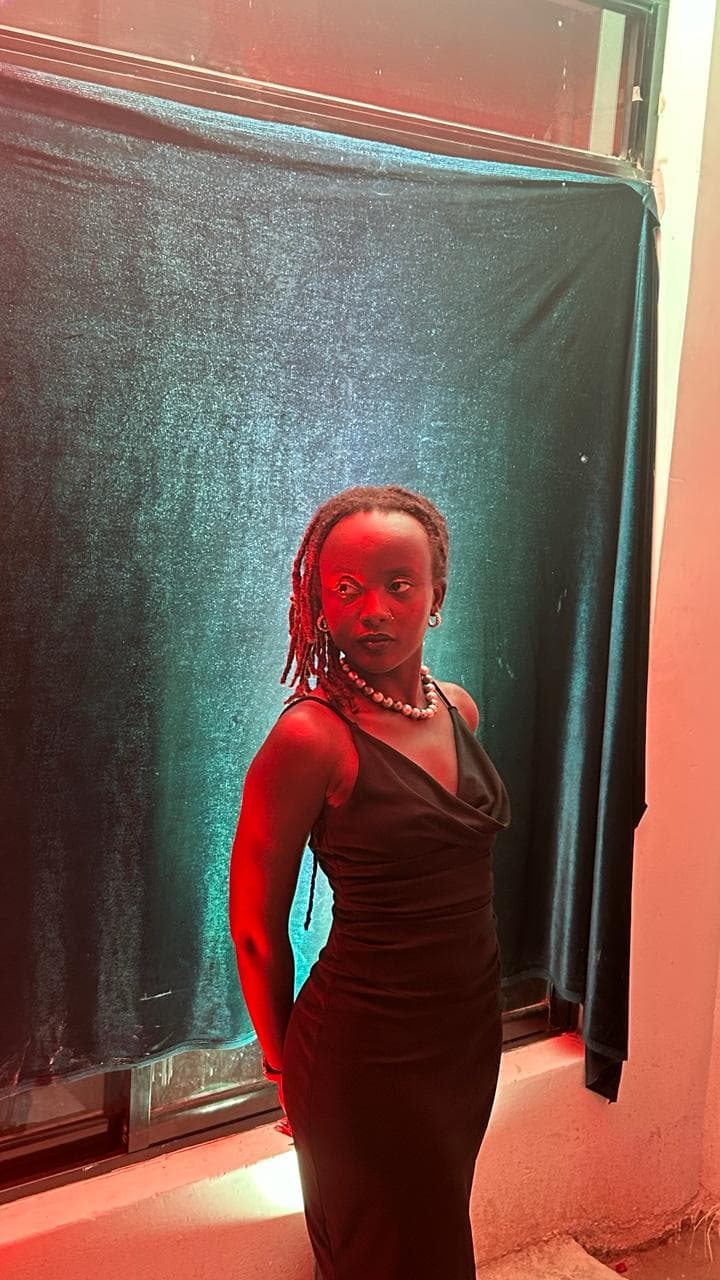
Natasha W. Muhanji is a Kenyan writer, editor, and cultural worker.
Her work moves across fiction, creative nonfiction, and poetry, shaped by everyday encounters. She has been published in Brittle Paper, The Elephant, The Kalahari Review, African Writer Magazine, Cosmorama Magazine, Ukombozi Review, and in seven anthologies including Qwani and others. She is the winner of the 2023 East Africa Sondeka Award for Short Stories.
She works at the intersection of literature and contemporary art. Outside her work, she enjoys gaming with friends and wandering through art galleries.
Read her work here
Q: Hello Muhanji, thanks for accepting the interview. First of all, you engage in many forms of art. How would you describe yourself at this point in your career?
N.M: Hi, welcome, I love conversations.
I’d broadly describe myself as a cultural worker in the sense that I engage with many different aspects of creative work in different ways. I am an author, a voice over artist, a model, a community builder, an orator, digital strategist, aspiring curator & so much more.
The creative world tends to overlap so I broadly refer to myself as an author & cultural worker.
Q: You write in different forms including fiction, poetry, non fiction etc. What is your process like for the different forms your writing takes?
N.M: My writing process for different works begins in a similar way. Phrases come to me often and I write them down. I have some sort of a “phrase bank” which is quite literally just my google docs/ notes app/notebook. I pluck phrases from what I have or what comes to me in that instance then build my work around it. Like an onion and its layers.
For fiction, it’s pretty much the same thing, while focusing on what makes a story. With poetry, I let it flow from me like music. For nonfiction, I combine this with extra research at first draft and after a couple of revisions, I have something.
Q: How would you describe your writing style for your fiction pieces?
N.M: I have written a couple of short stories and I’d describe my writing style as fragmented and lyrical. My work carries elements of poetic prose, so this bleeds into my fiction writing as well, creating a dreamy and slightly disjointed narrative at times.
I tend to compress my stories from overflowing and it’s the clearest sign that I ought to write a novel.
Q: Apart from being a writer, you also work in art. How different is the art scene from the writing scene in Kenya? How do you manage the different facets of your work?
N.M: I wouldn’t say it’s that much different. Each scene has its people doing the same things in different fronts. Community always has a similar baseline so it’s the same in the sense that when you show up enough times, nearly everyone is familiar to you and you get to make friends and hear interesting stories, look at beautiful creations and gush about them together, which is the same thing essentially with writing. You meet people, read their stuff and feel entirely mindblown. It’s more overt with the art scene though I’d say, considering it’s mostly visual art and performance.
Something interesting is how there is a very evident intersection between the arts. Saying it is one thing but actually experiencing it is fascinating. Writers are everywhere, writing scripts, songs, exhibition text, catalogue text, talking through things with other artists.
I have met a lot of writers in the scene and it’s amazing. I’m happy to be around.
Q: Some writers write towards understanding, others towards exploration and other goals. What do you write towards? And where do you draw your inspiration for your creativity?
N.M: I write towards many things. Expression is the basis of my writing, be it self-inquiry or trying to understand something specific that I come across. I draw my inspiration from everything around me. I think a writer is their environment. Everything around me inspires me; music I listen to, my commute, my family and friends, the pomegranate tree in our garden, the random person I see while people-watching at a restaurant. I get inspiration everywhere. The task becomes consolidating this inspiration into something solid.
Q: Finally, what do you hope people get from your work? And what is next for Muhanji?
N.M: I hope they feel seen and a little bit fascinated. That’s enough.
I’m still working on releasing a standalone collection of work or a single piece of longform work. Been in way too many anthologies haha.
Join the Conversation
(0 comments)Sign in to join the conversation
Share your thoughts and engage with our community