
Best from the Qwani anthologies
An Ode to Bathroom Sinkholes and Scalding Afternoon Sun by Natasha W. Muhanji
I chuckle at my train of thought, perhaps I should be a writer instead of a painter. I sigh again and hang up my face towel to dry.
I chuckle at my train of thought, perhaps I should be a writer instead of a painter. I sigh again and hang up my face towel to dry.
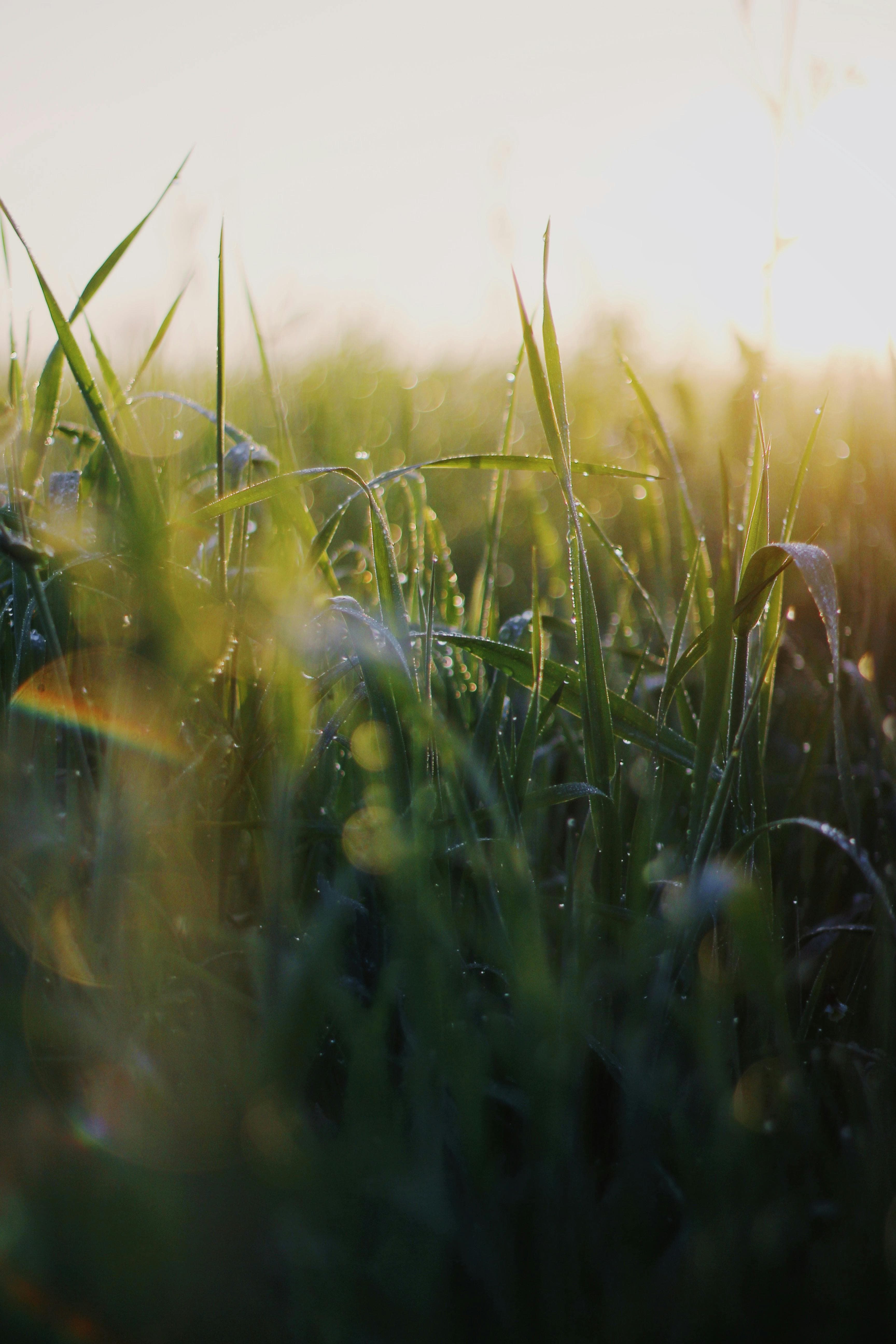
In those days when we would dip our feet in hot water before sunset and I would take the small bed close to the window of her small hut. She made me believe that the night was not just a mere form of darkness but something eviler. Often talking about ogres and creatures with murky stares.
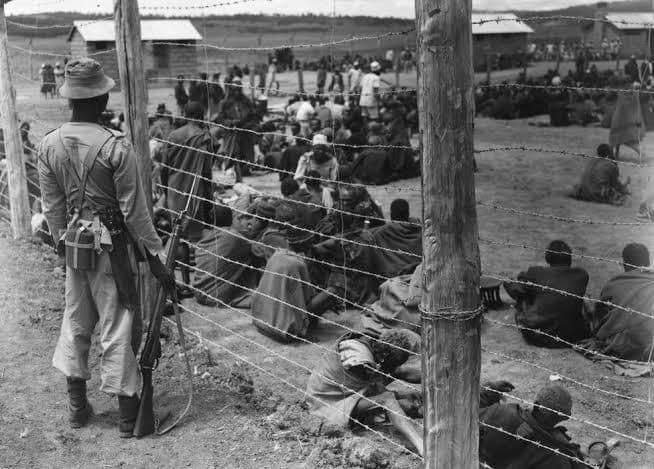
When the coast was clear, we sneaked in a semi-crouched manner and veered to the left. We were trying to avoid being in the glare of the searchlights so we hid behind a toilet shack that the guards would use.
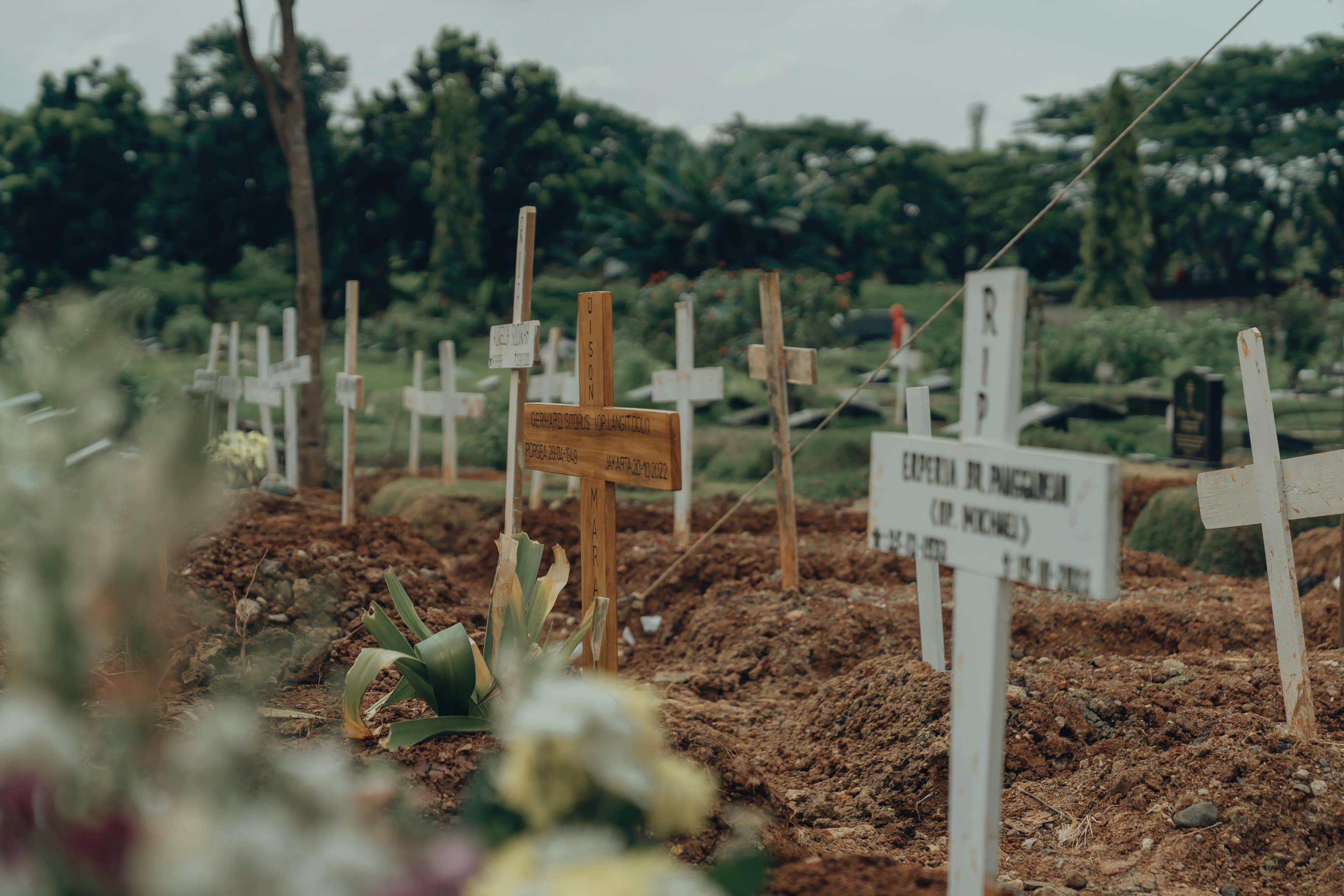
The last day you see her alive, she throws her arms around you, lifts you up, then squeezes so hard. It’s painful, but you love it.

Would you look at that? I am levitating in space. This, this is a vessel. I am a vessel; I am a ship, and within me is a crew. A classic Captain of the Caribbean’s Black Pearl floating in an empty jar, oblivious to the entirety of the real world; the real true world. Who is my captain?
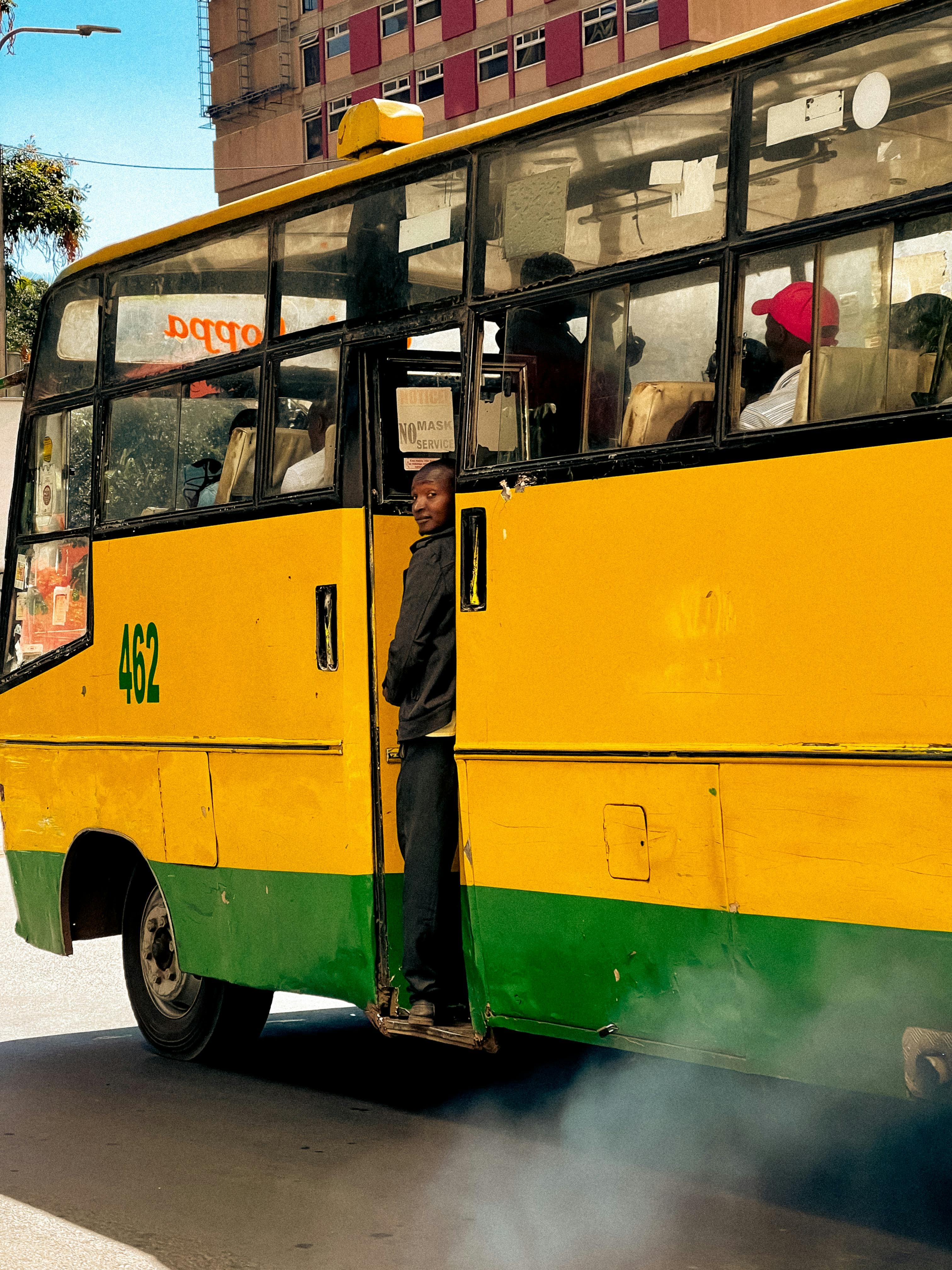
I miss evening drives, with Classic 105 playing.
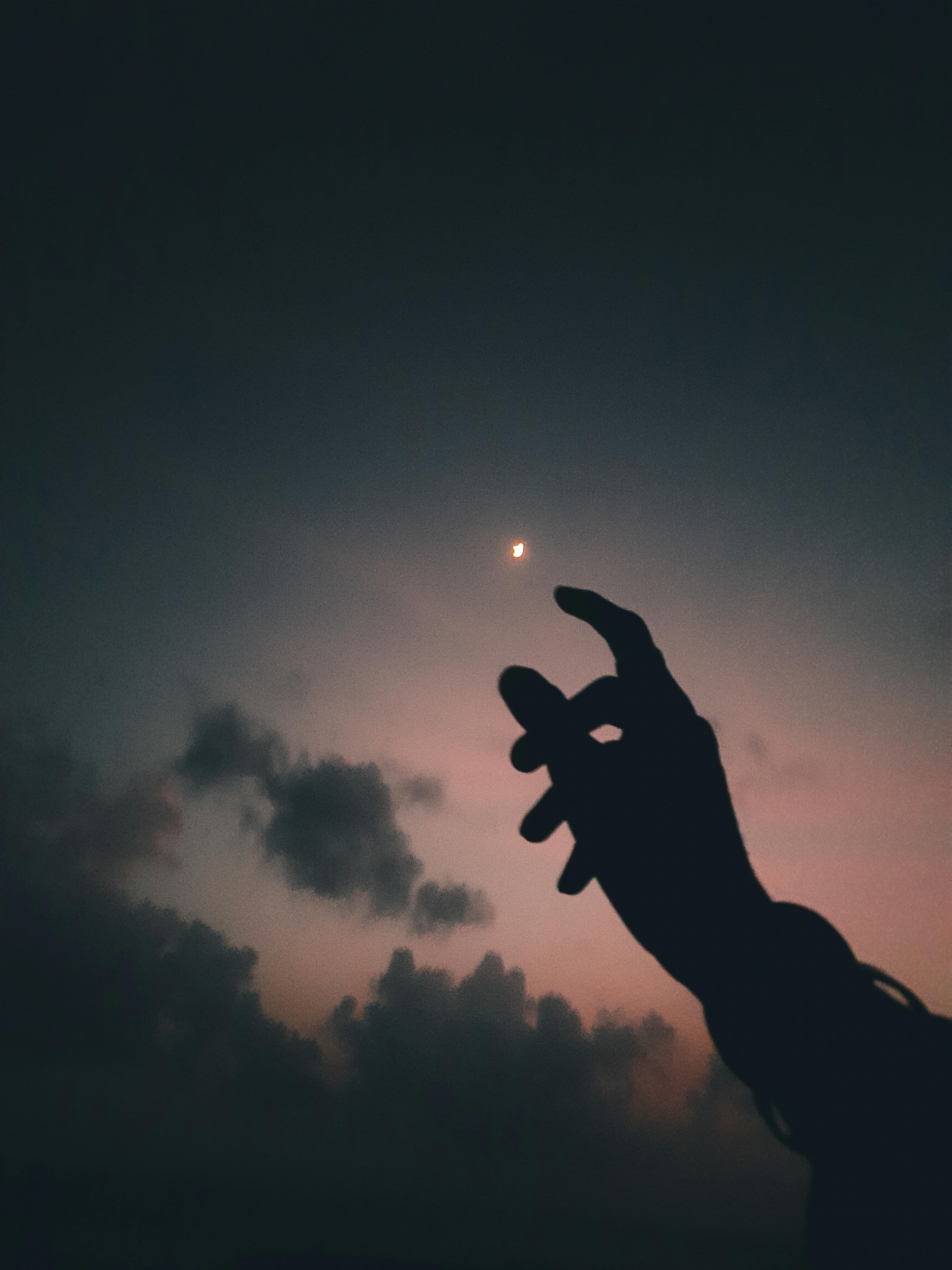
I’m not too young to love anonymously,

I’ve been on this spot near the statue of the late Kenyan icon Tom Mboya for two years now. The pavement knows my shape the way a bed remembers the body that sleeps on it. I know the rhythm of the street like an amapiano song whose lyrics play hide-and-seek game in mind.
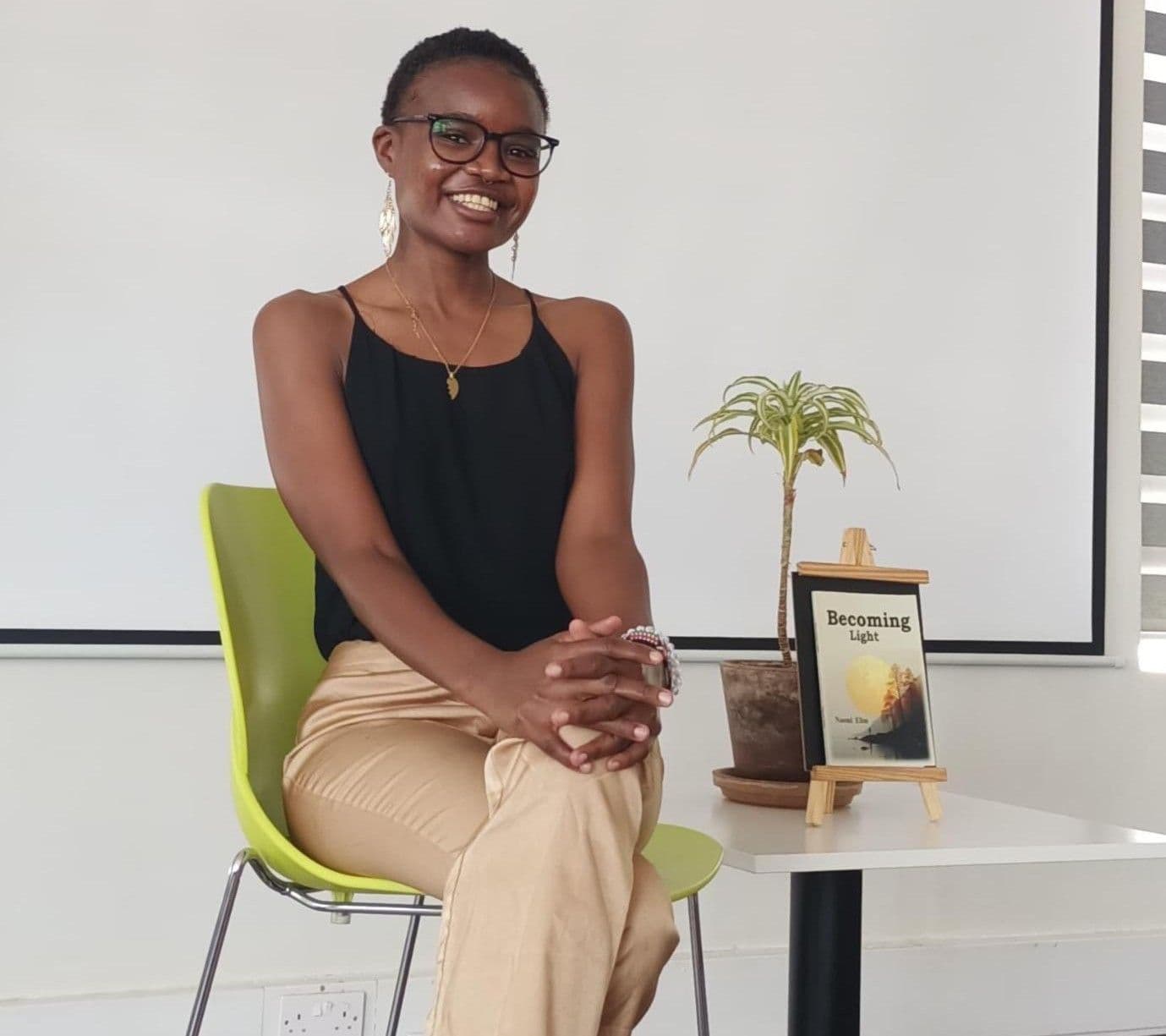
Amanda Nechesa is a Nairobi-based writer, poet, and feminist practitioner who uses literature and digital storytelling as tools for social transformation. Through her work, she seeks to amplify art and culture, challenge inequities, and explore the vulnerability of the human condition. Her work has appeared or is forthcoming in Brittle Paper, The Feminist Magazine, Isele Magazine,, Efiko Magazine, Kalahari Review, Lolwe, The Elephant, Voices Of The Revolution poetry anthology, and the first, second, and fourth editions of Qwani anthologies; among others. She is also the author of How To Make This Boy Go Home With Me (Qwani, 2025).
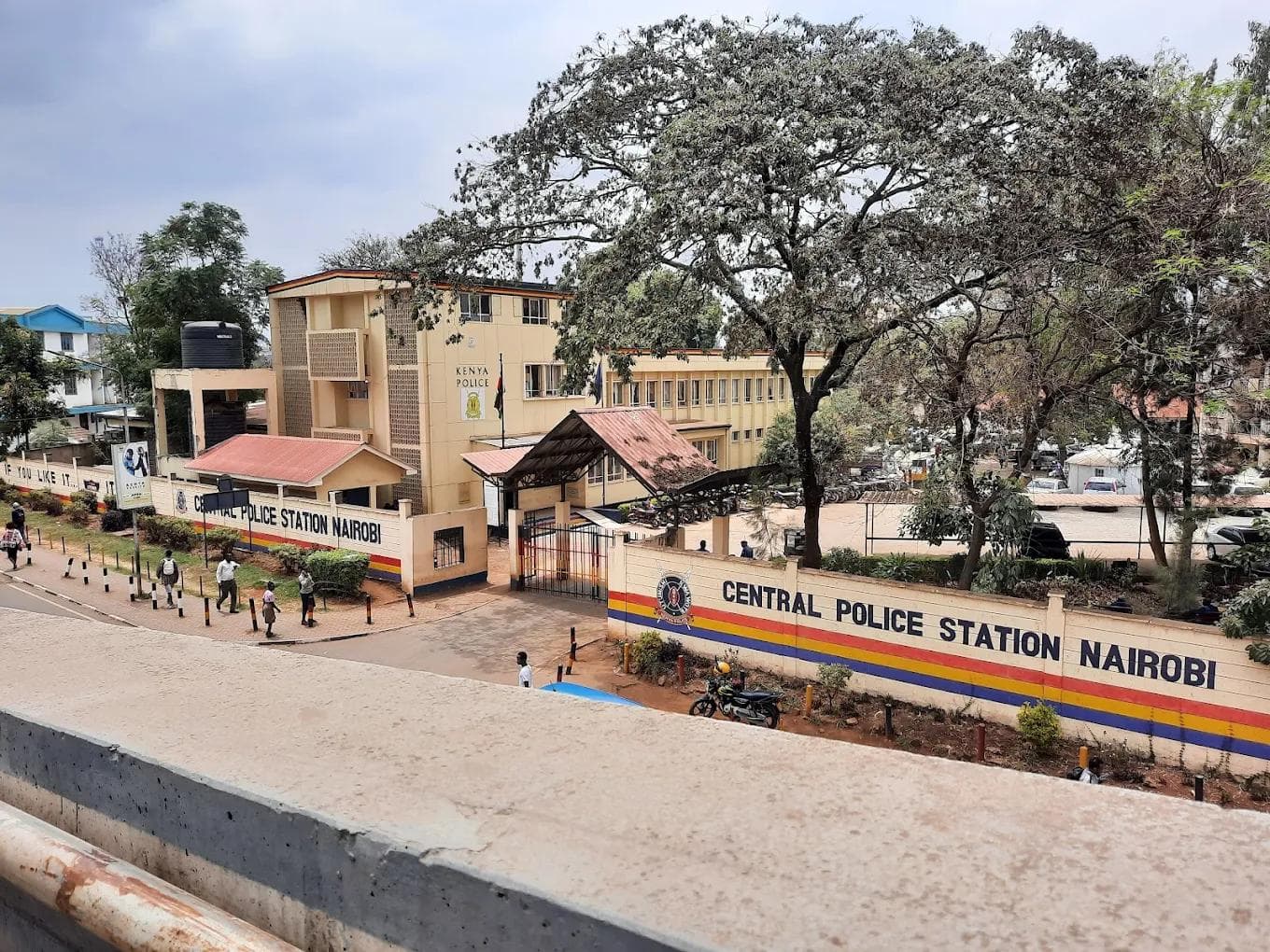
So by the time nimemaliza kupiga tour ya cell, ni kama saa moja usiku ilikuwa imefika. Nikama io masaa huwa prime time; si ya news pekee, lakini pia ya kurusha watu ndani.

The city awakes and converges, at first light, it does. In a matatu, there is a symbolic meeting of all the peoples of the city, in separate groups and similar forms. From all walks of life and all drives of its environs.
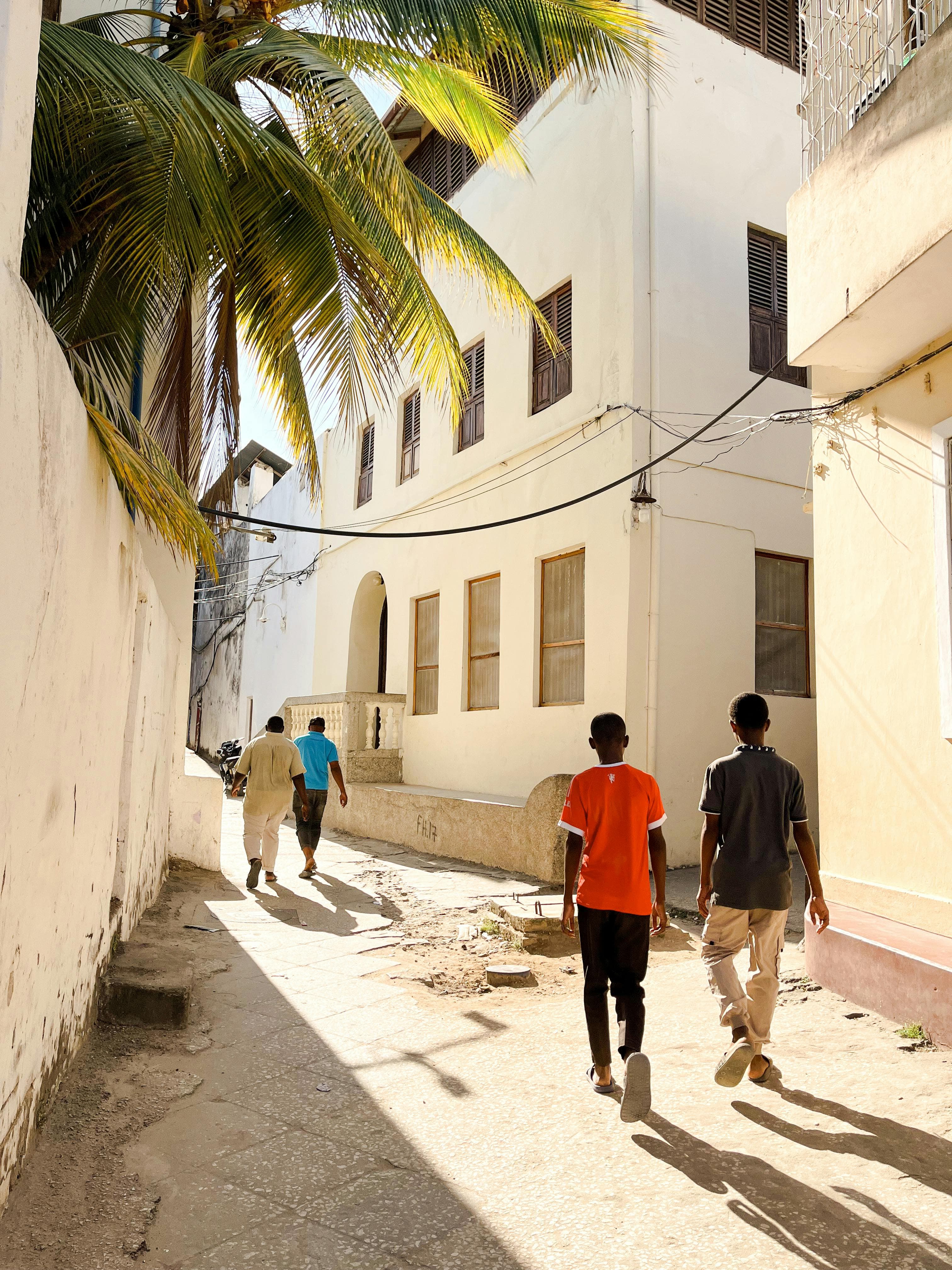
We know what they do. Every Friday, though, we will meet them at the mosque, in their white kanzus. And later? They will be at our houses, looking for wives. Who will marry such men?

Anna Zgambo is pursuing a PhD in literature at the University of Zambia with a focus on lyric poetry. She serves as a poetry reader at Harbor Review Magazine and Fahmidan Journal while reading prose at CRAFT Literary. Anna is a Mawazo Fellow and Idembeka Creative Writing Fellow. Her most recent poems appear in Ubwali Literary Magazine, The Journal of African Youth Literature, Up the Staircase Quarterly, The Weganda Review, Midway Journal, Bluestem Magazine, and elsewhere. Read Anna's poems here: www.annazgambo.com/poems

Nairobi. A cacophony of matatu hoots and booming bongs from church bells. All in inexplicable harmony. Like a Beethoven piece.

Bint Aisha is a Kenyan author, poet, educator, creative producer, and founder dedicated to using storytelling as a tool for healing, resistance, and social change. Her work explores womanhood, mental health, identity, love, memory, and justice, creating spaces where difficult conversations are met with honesty and compassion.
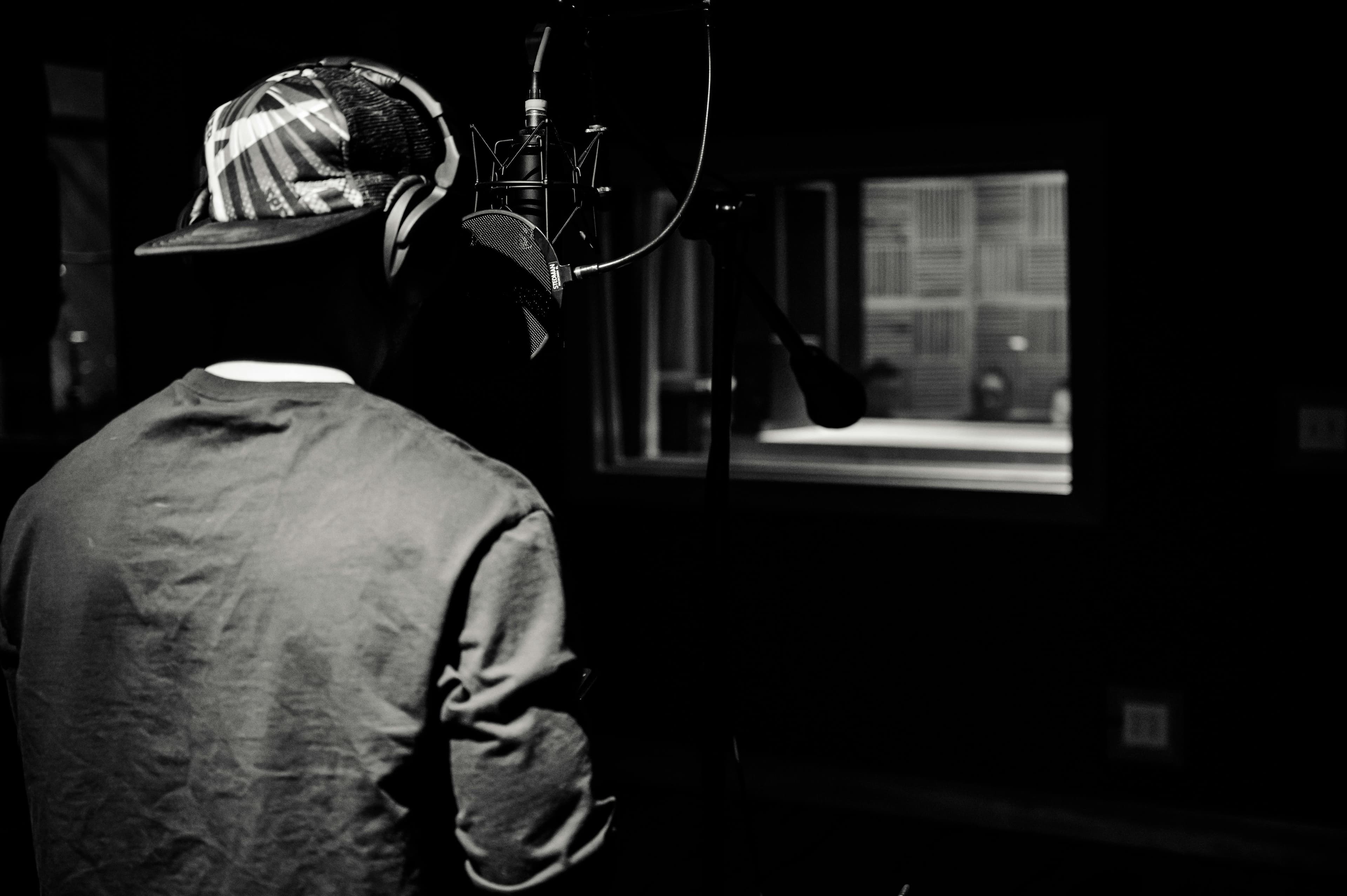
First of fuk your SDGs and the missions you claim. Nairobi, when we ride, you come equipped with cams You claim to be a saviour, but you lied with my life

It's a matrix, And we are all little lab rats, Walking mazes or running wheels.
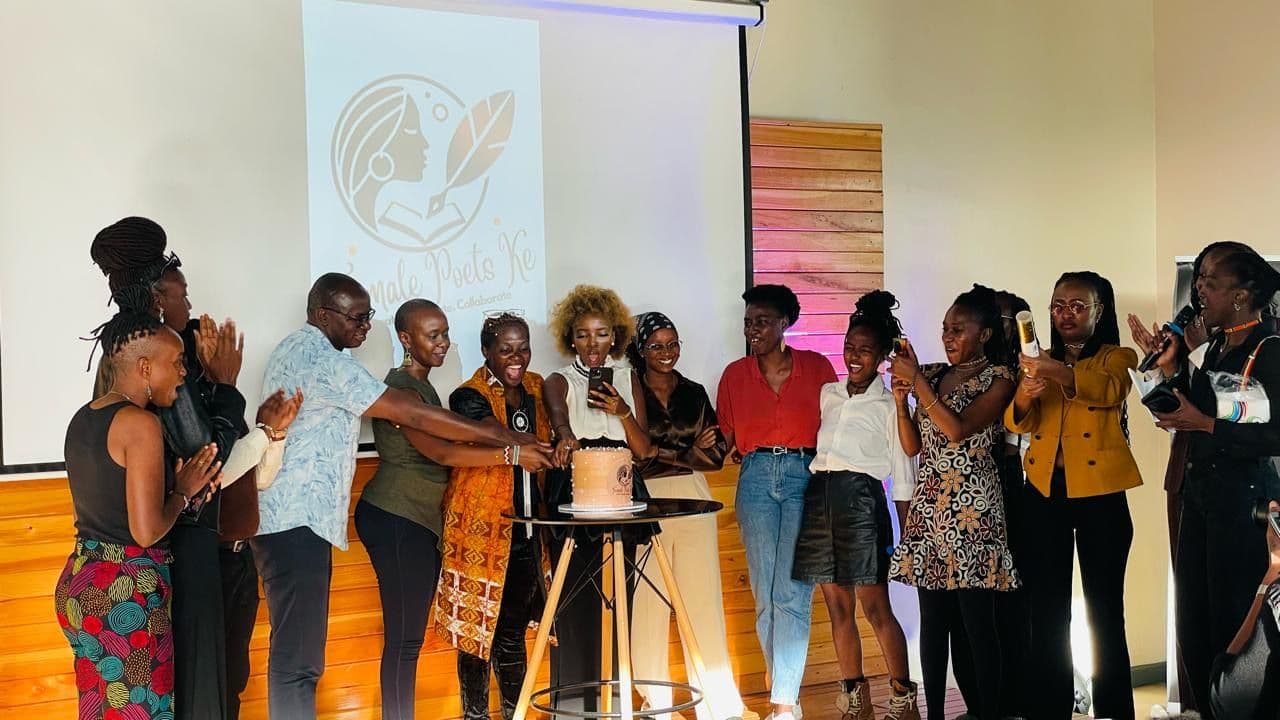
Wangui Kimani is a multi-award-winning poet, writer, and eco-artist whose artistry bridges activism, culture, and climate justice. As co-founder of Female Poets Kenya, she uses poetry to amplify women’s voices, preserve African traditions, and champion social change.

I went for a death walk today. The walk that you’d take when you know you’ll finally die at the end of it. More like my last wish before I die; a walk. A long walk looking at the sun stride across the sky to the horizon.
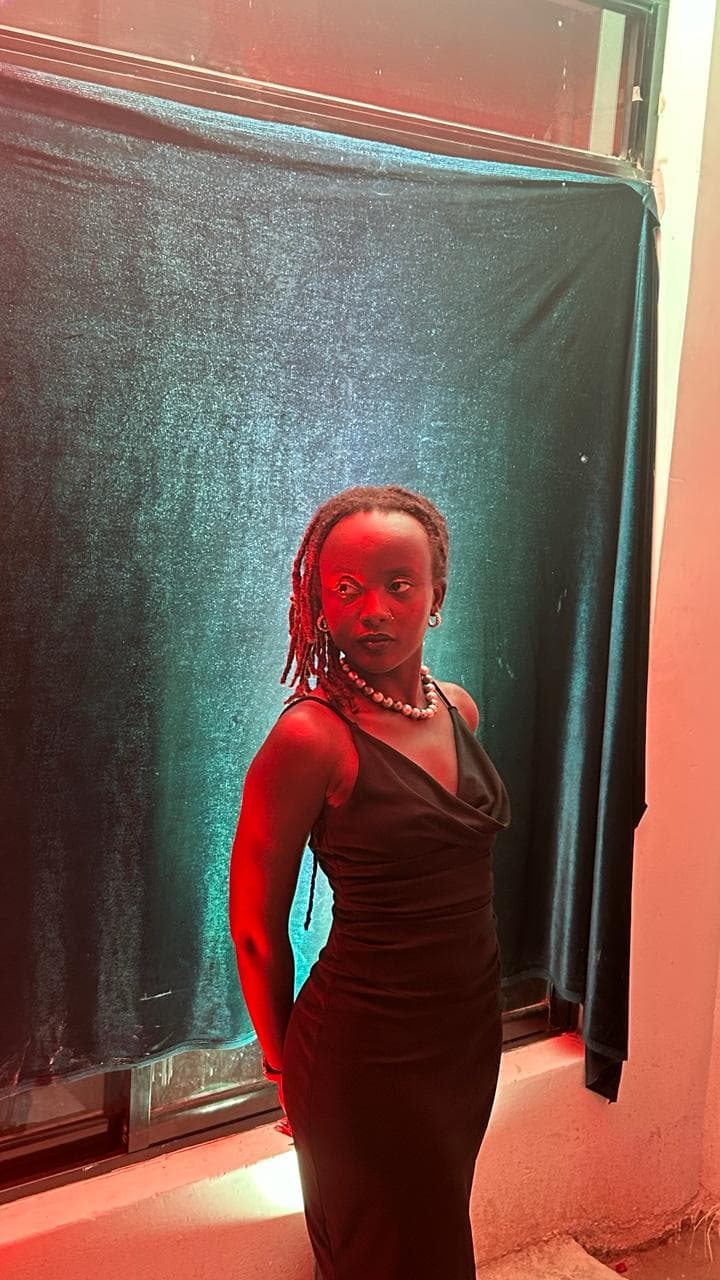
Natasha W. Muhanji is a Kenyan writer, editor, and cultural worker. Her work moves across fiction, creative nonfiction, and poetry, shaped by everyday encounters.
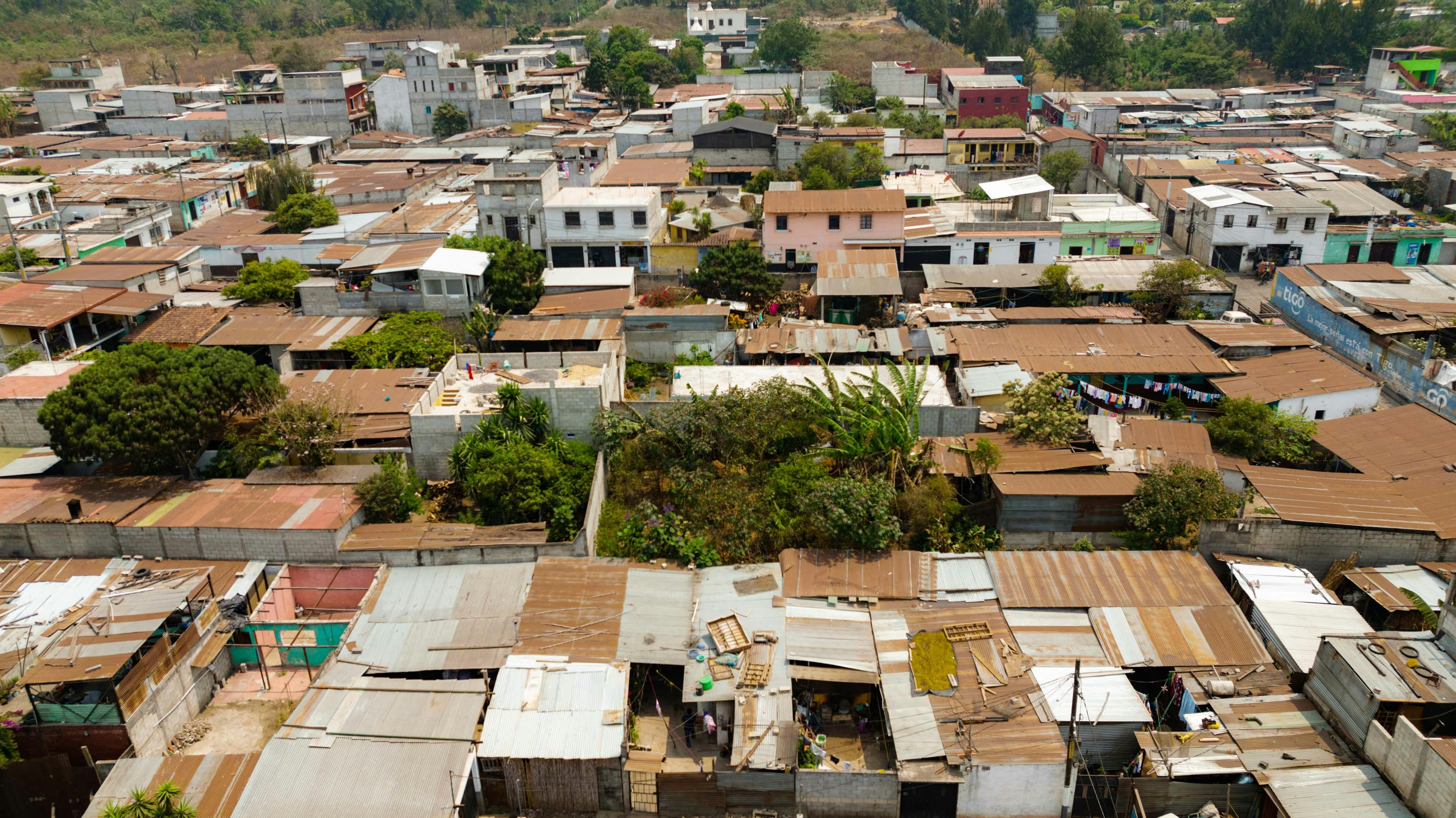
“Hey! You right there! Yes! You! What colour does blood turn to when it rots?” I still remember the slow movement of my eyebrow and how high I cocked it at his unusual question almost a decade later. That had been the most unexpected question I had gotten sent my way ever since someone in town had asked me to sell them my stool for five hundred shillings.
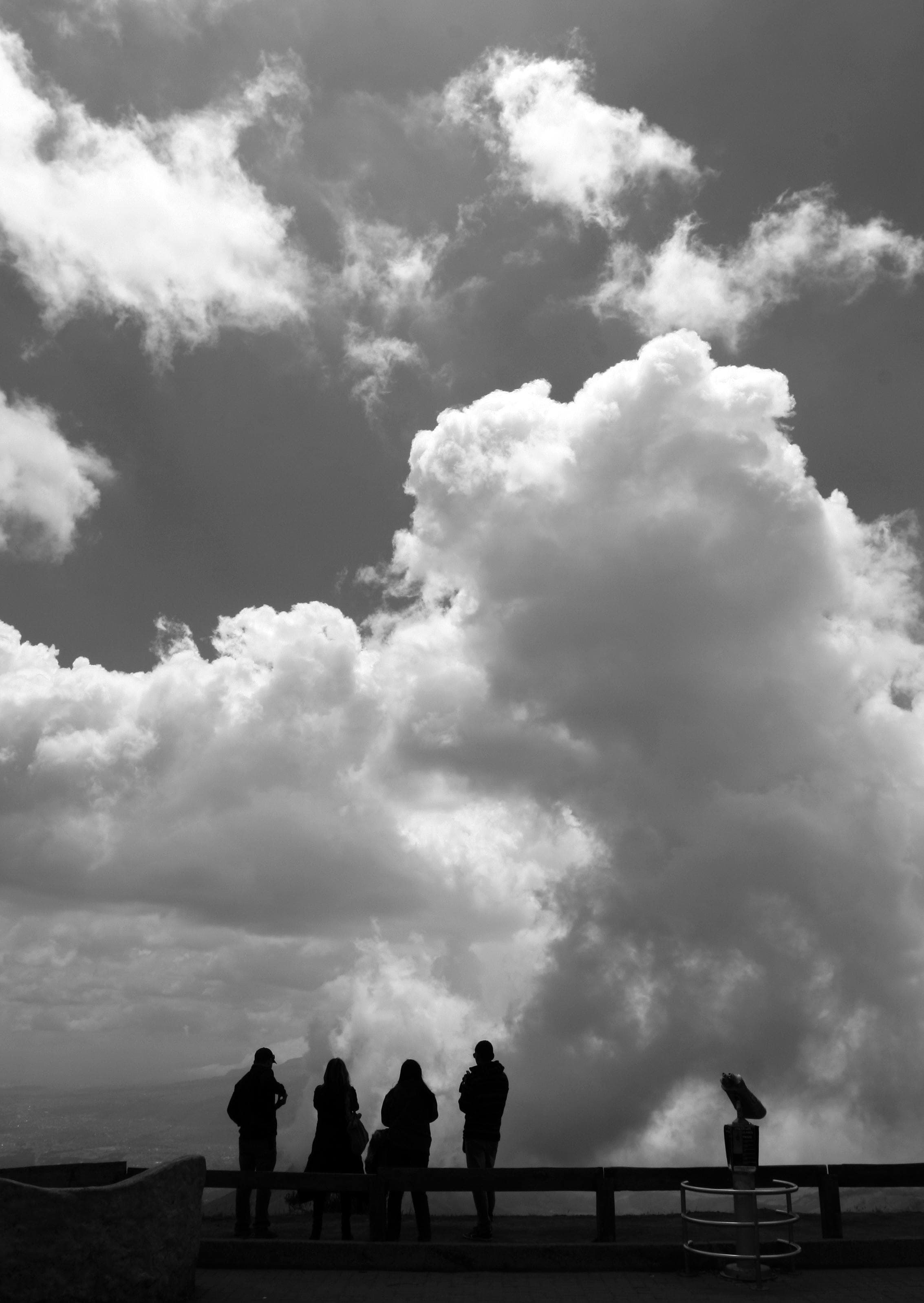
People are like clouds...

Now, no infrastructure project in Nairobi is complete without that iconic image of a politician — preferably in white gloves cutting a ribbon with scissors so big they could perform surgery on a zebra. Whether or not the project is usable is secondary. What matters is the optics of delivery. You may not drive on the bridge, but have you seen the drone shots?
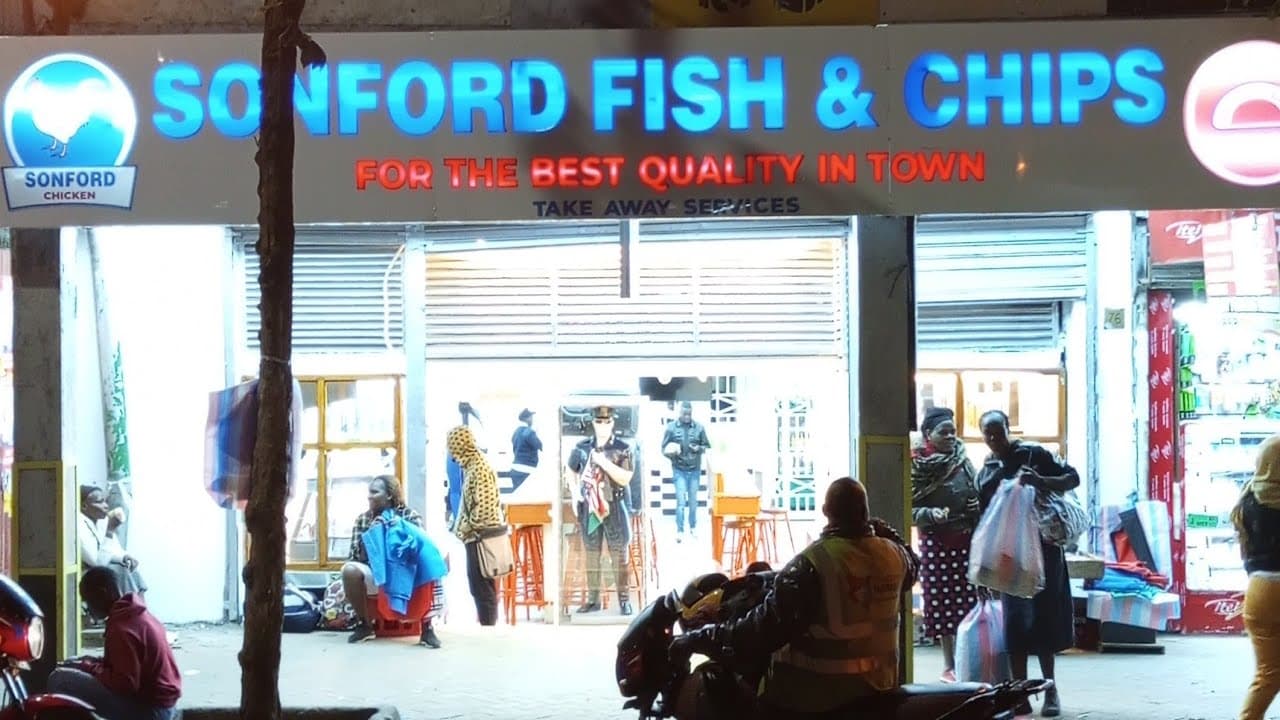
This isn’t a love story but a story about love. The first time we met, was on a Thursday afternoon. I don't remember what you wore, what I was wearing, or how we both found ourselves outside the renovated Sonford in town, the only place you swore to have been eating from mid-errands. It was as hot as Nairobi gets, and I remember you watching me fumble

I take a deep breath and look up at the lanky reporter seated in front of me. His eyes are very eager to listen and to unravel me, I can tell, such hungry eyes have devoured me for ages.

the wave function: a particle in an indeterminate state can be brought into a definite one by interacting with something in its environment. like an observer , it would be prettier to think of us as entangled particles.
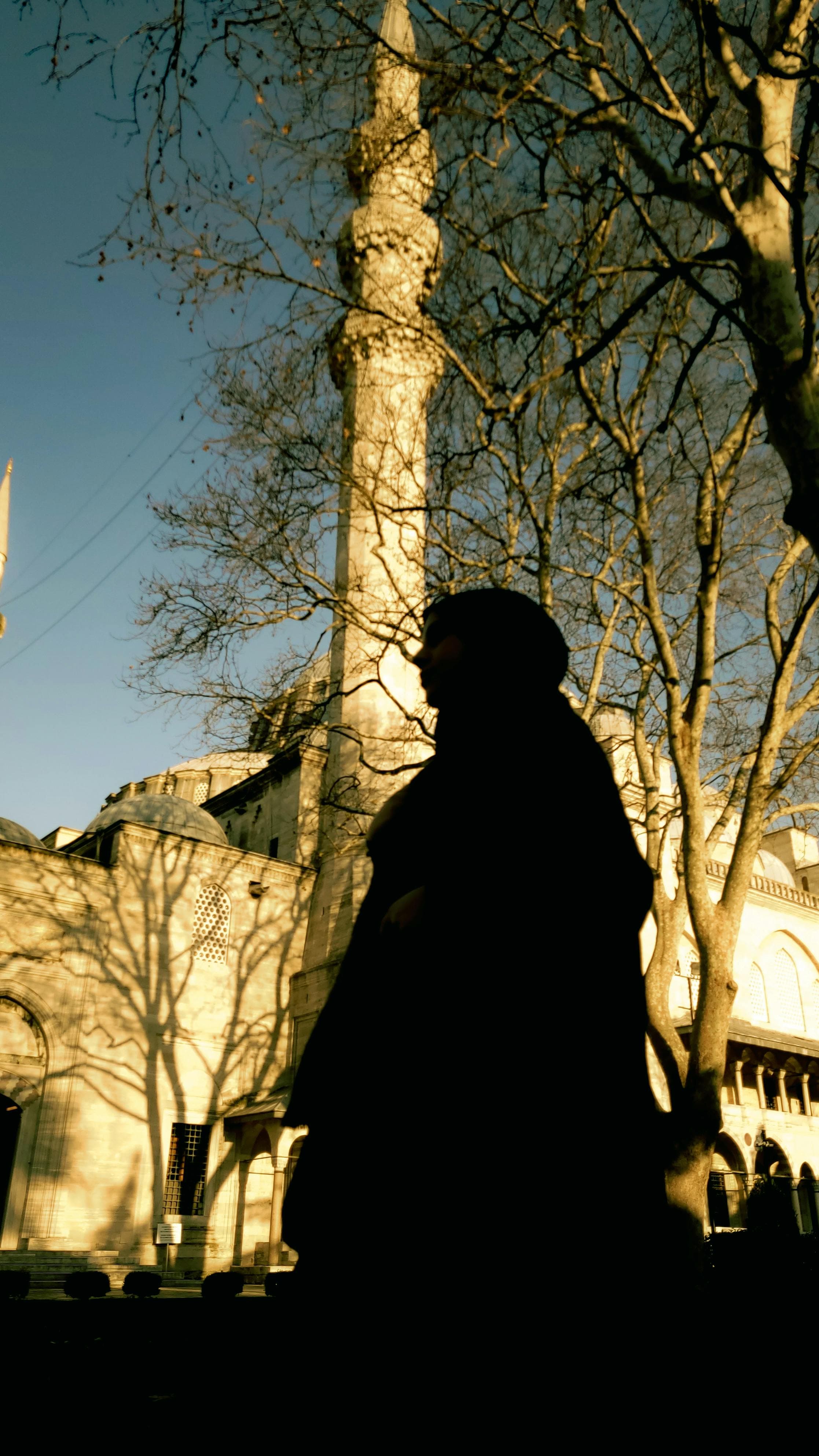
6:18 a.m. and Nairobi is serving Siberia realness. The trench coat on my back is just for show: thin, cheap, performative, just like people, just like hope, just like me, the previous night faking my moans. All I can do is hope the weather doesn’t pull a fast one and turn me into an undertaker in the afternoon sun.
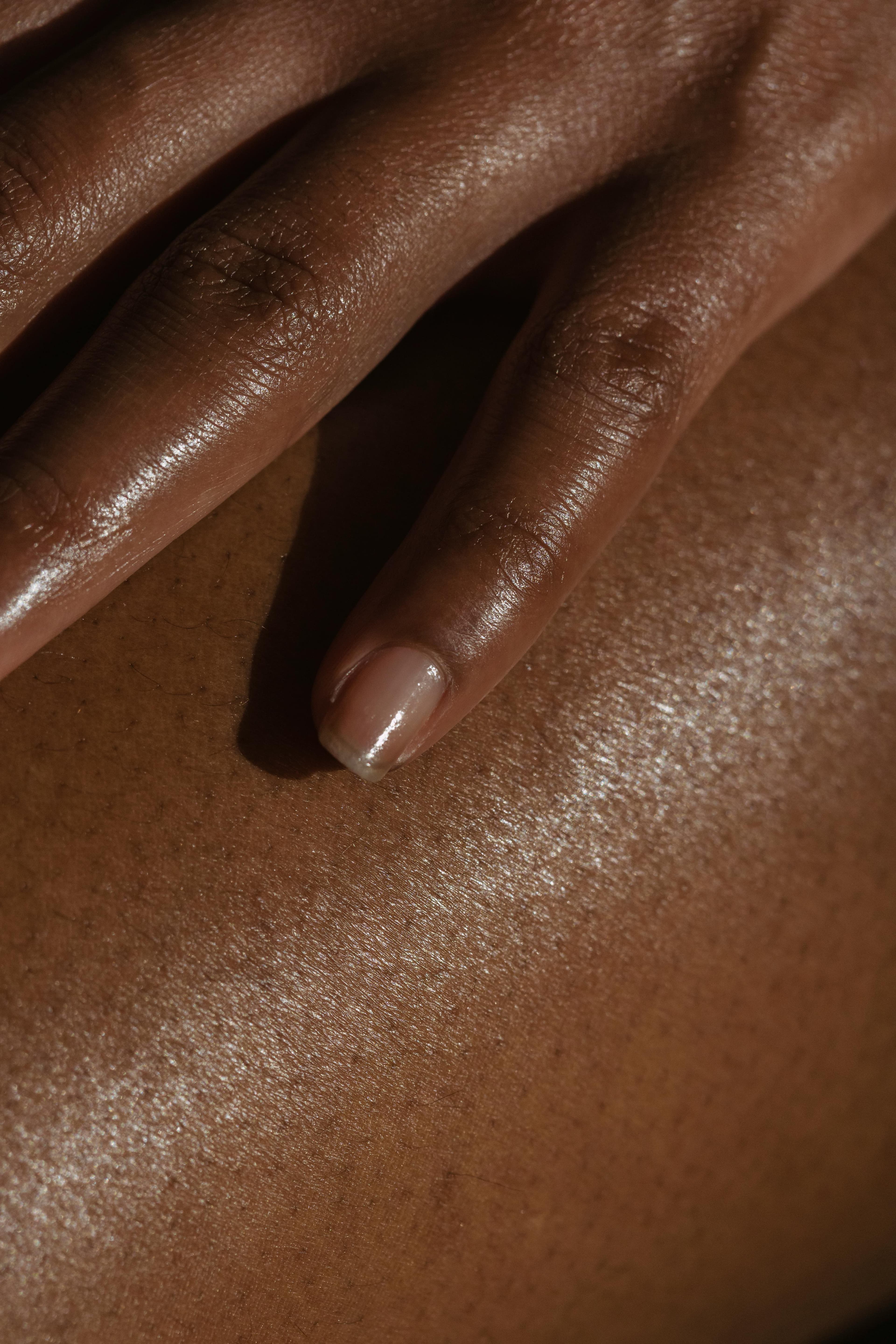
A lover I was, clinging onto the sight of her almost throwing myself through... Gasping for air while I gulped down all the bits of her that I could.
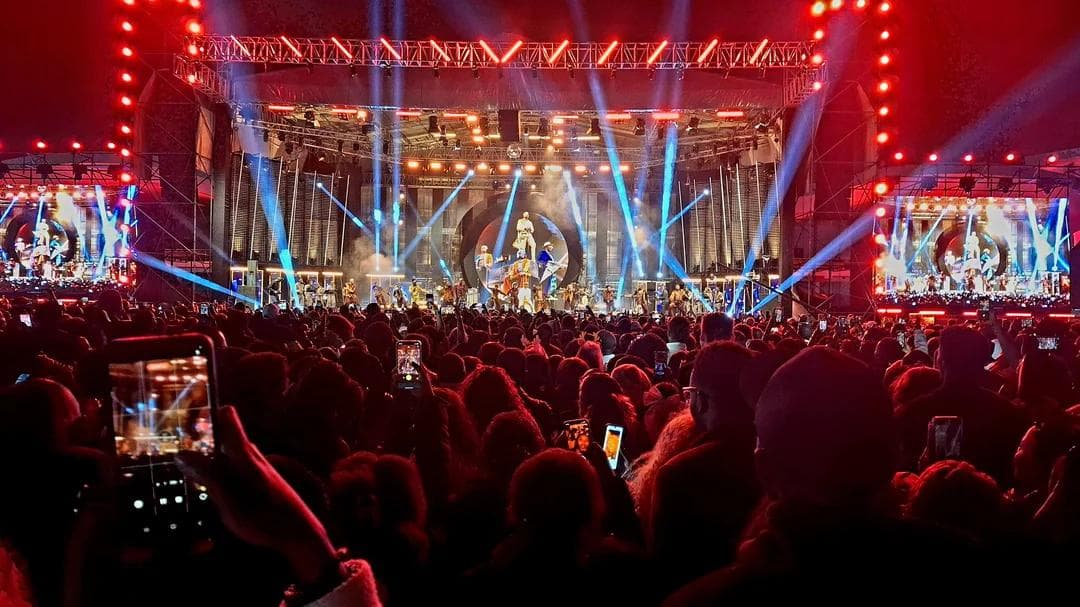
How you dress at a concert is very crucial, not only to yourself and all potentials whom you hope to attract, but also to your chances of sneaking in. One thing is for sure: Despite what the famous adage says, everyone actually judges a book by the cover. That’s why ‘hardcover’ books are more expensive than ‘paperback’ books. I digress.
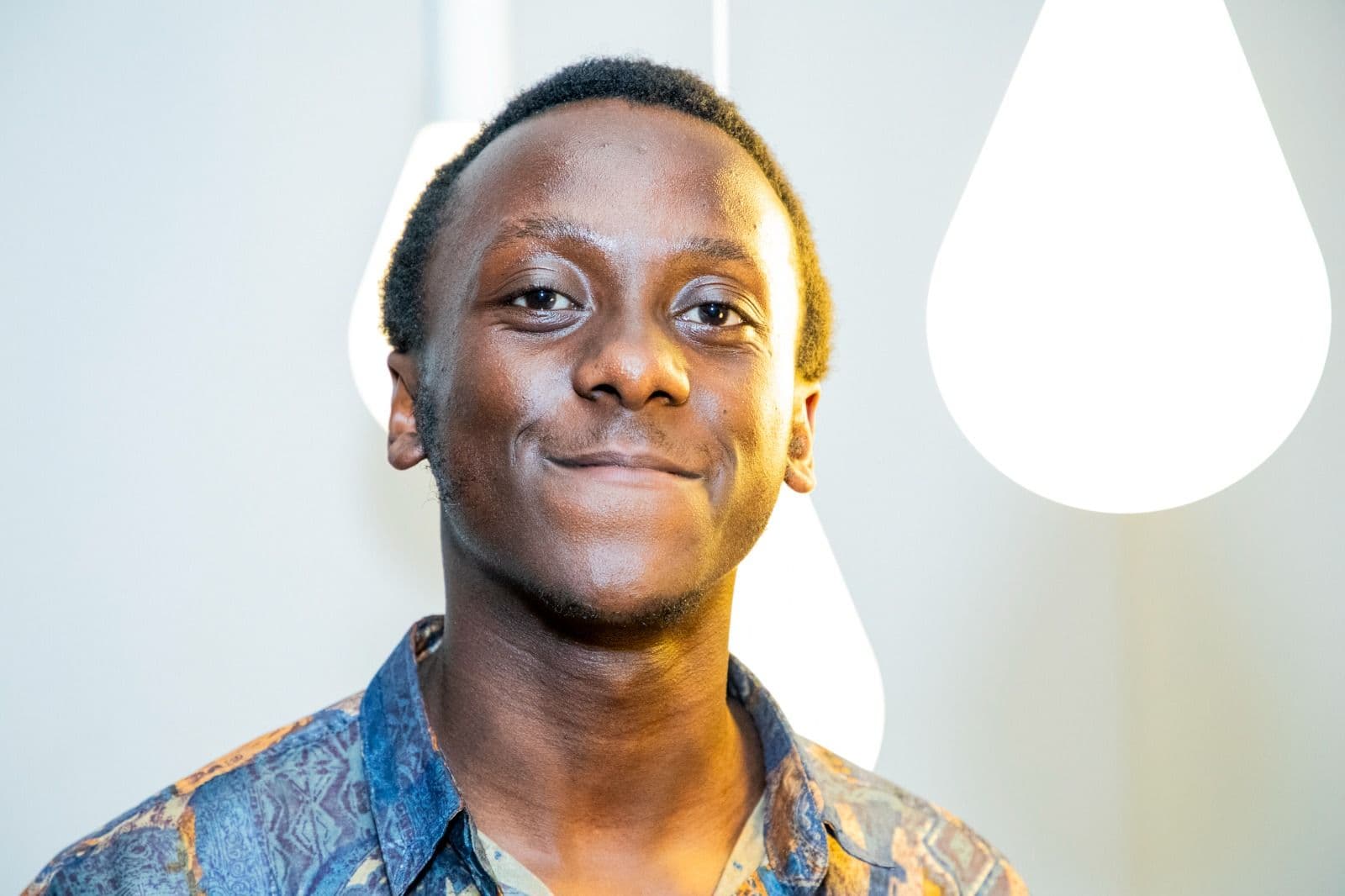
Keith Ang'ana is a writer, researcher and historian whose work focuses on the intersection between people, cities and the quiet politics of everyday life. He is also the Founder and Executive Director of Qwani.

He had a punctured neck, the man in the photo. Clearly photo shopped—poorly. Below it read, “ILANI: MATUMIZI YA TUMBAKU YAUA.” Still, Sam tapped the cigarette against his palm, lit it as the sun rose, and drew a long inhale.
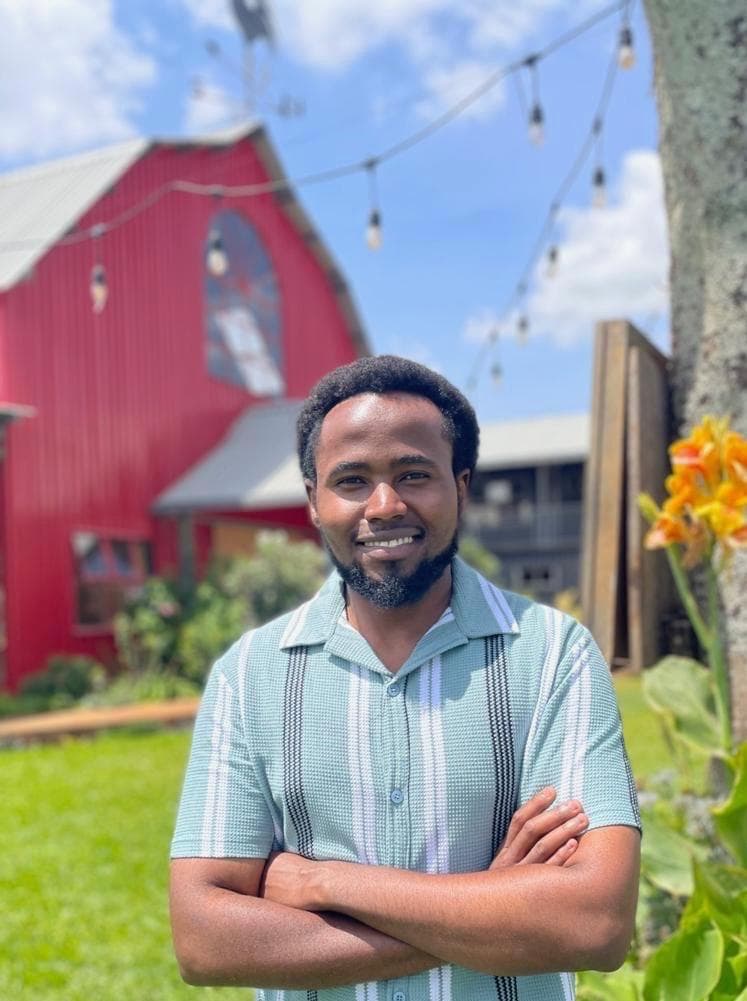
Migwi Mwangi is a storyteller from Nairobi. His debut collection, Desire Path (University of Pittsburgh Press), is forthcoming in September 2026.
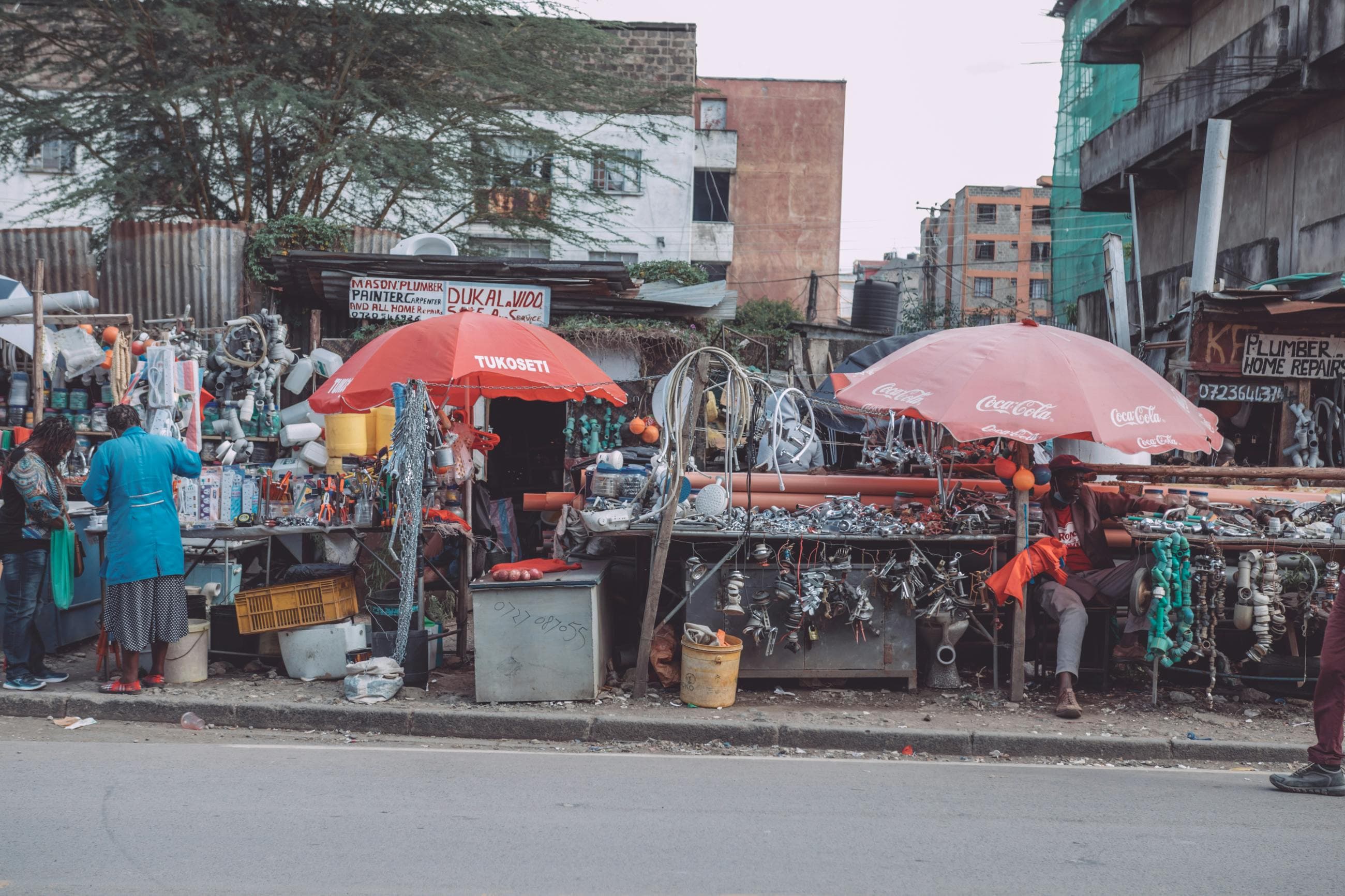
Picture this; it’s on a moody Monday morning and your friend Maish woke up so sickly that he couldn’t go to work. So he let you borrow his nduthi so you could go make some few coins ferrying passengers around Umo then give him his cut at the end of the day.

You start thinking that maybe it is time you started going to church again. This time round, at least you have some knowledge of things that most never talk about concerning the spiritual. You realise that a lot of it is in the grey areas.
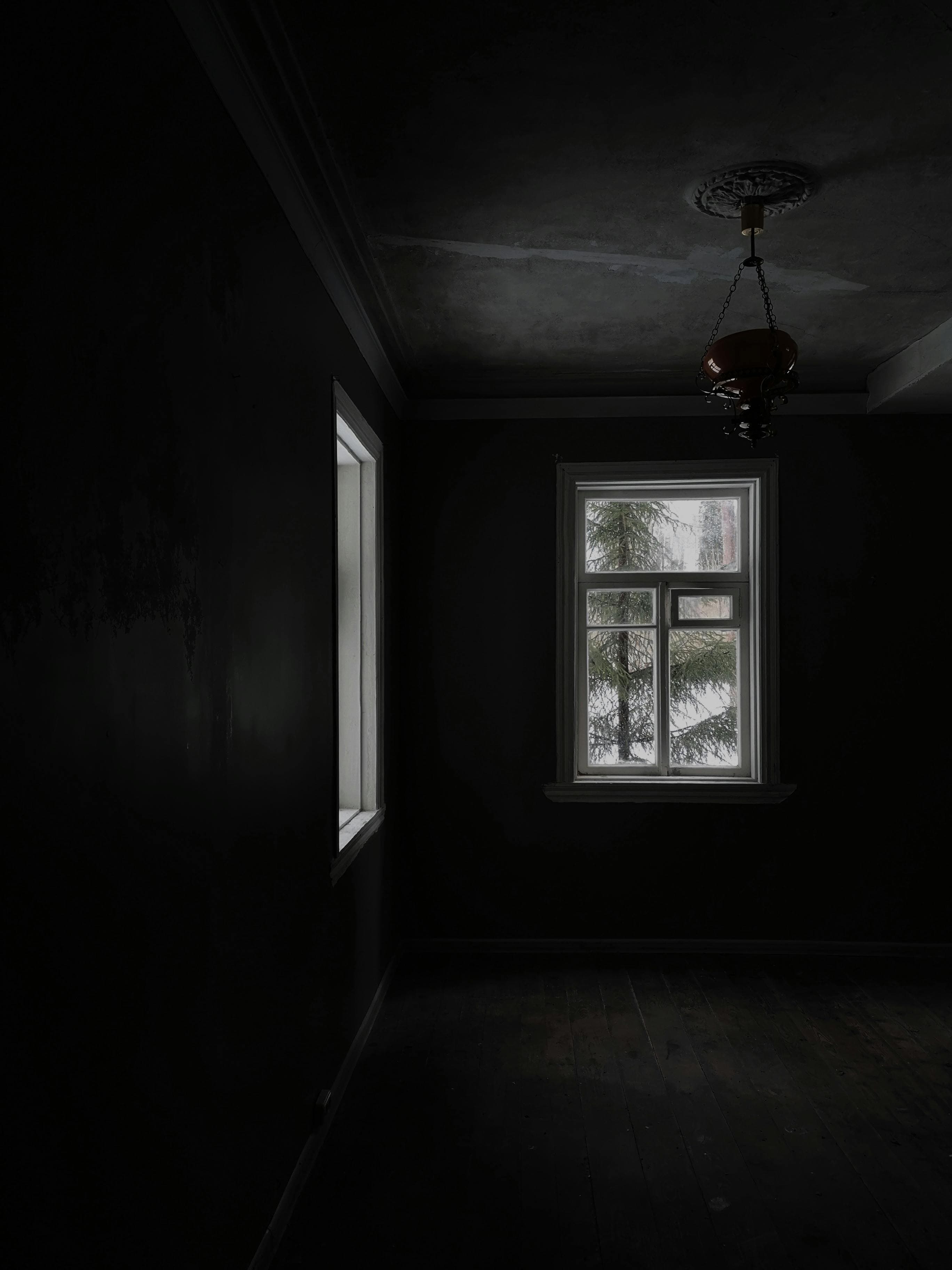
She sat down on a stool and absorbed it all. For the first time since it happened, she was completely alone.
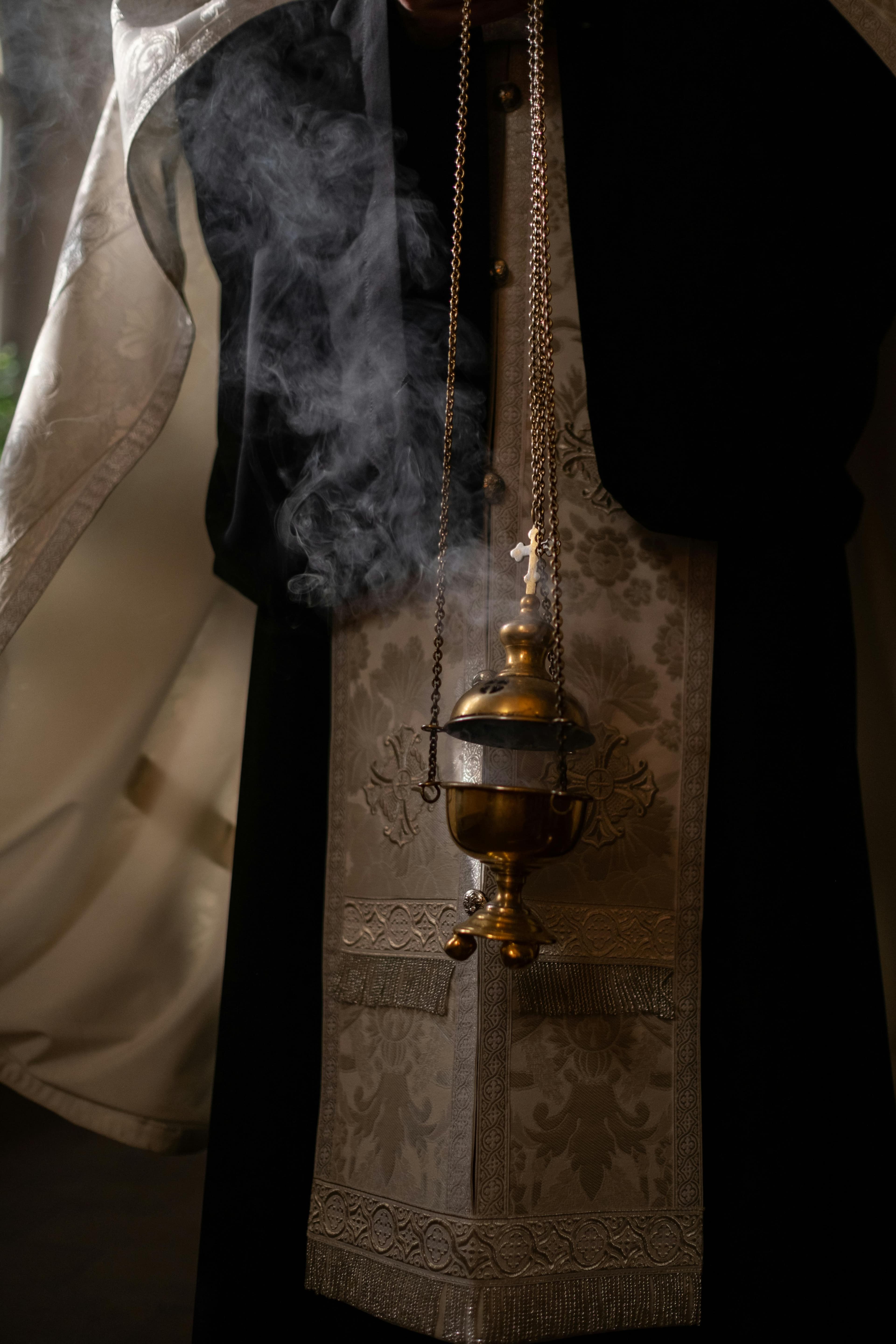
I have recently taken up going to church regularly. It’s a habit that has developed gradually, and in relation to this habit, I have also started listening to gospel music every morning and praying after reading a bible verse every night before I sleep.

Often I am tempted to write of the love I crave so deeply
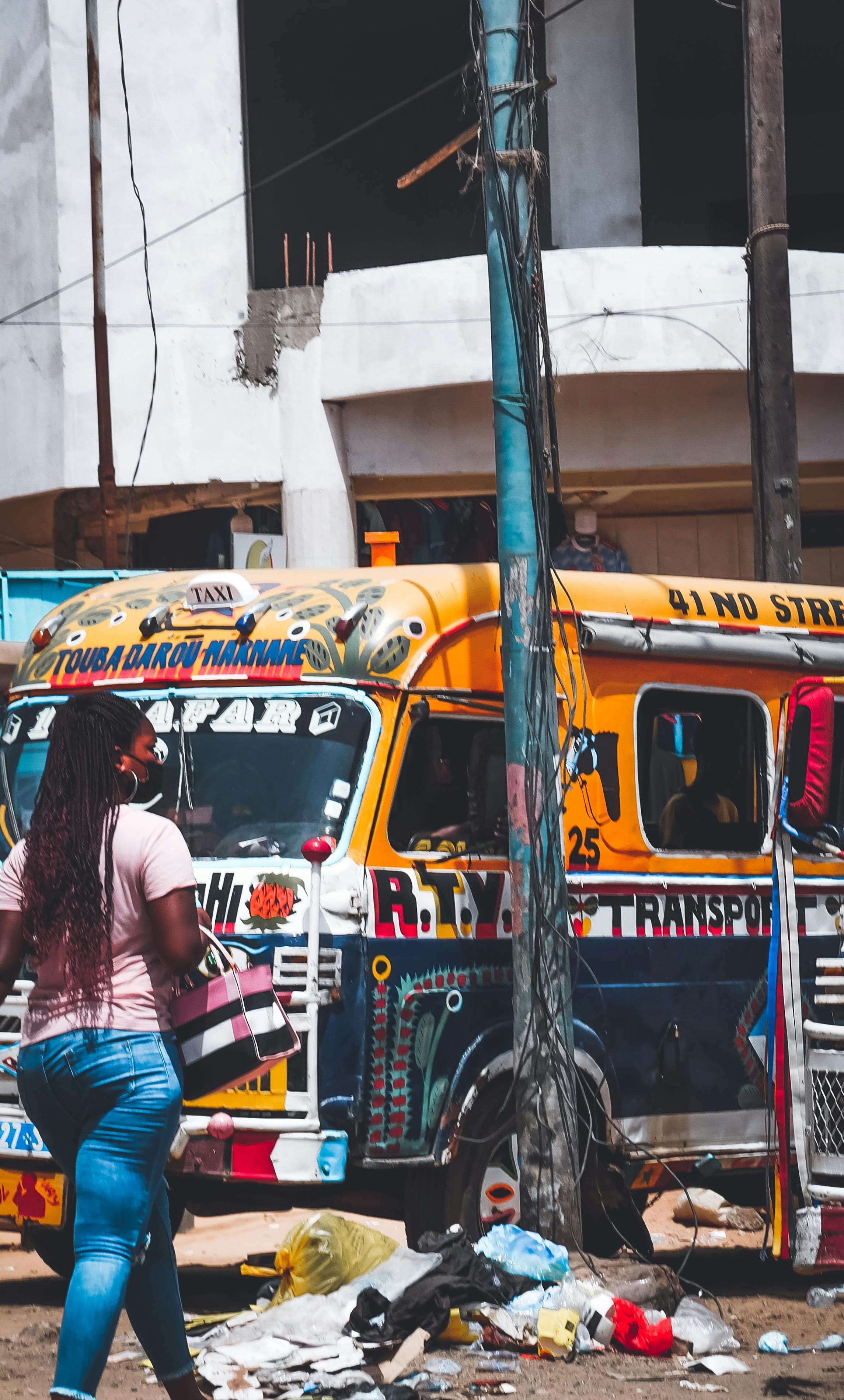
Ama niite Jonte anishikie hii squad ya kwanza nilale kidogo? I think to myself. But JJ won’t let that slide—our morning clients don’t recognize Jonte, even though he’s worked with me a couple of times.

Felix Odhiambo is a filmmaker and documentary photographer driven by a passion for wildlife conservation. His current focus is on bridging the gap between people and the natural world through compelling visual storytelling.
Step into Qwani's vibrant circle of creatives. Here, every voice matters, every story thrives, and camaraderie blooms. Become a part of our literary mosaic today.
Stories have the power to bring us together like nothing else can.
A glimpse into the world of Qwani — the people, the passion, and the purpose behind every word we publish.
© 2025 Qwani. All rights reserved. Designed by Qwani. Powered by Chari Designs