Poetry For Healing: A Conversation With Bint Aisha
The Editors
Contributor
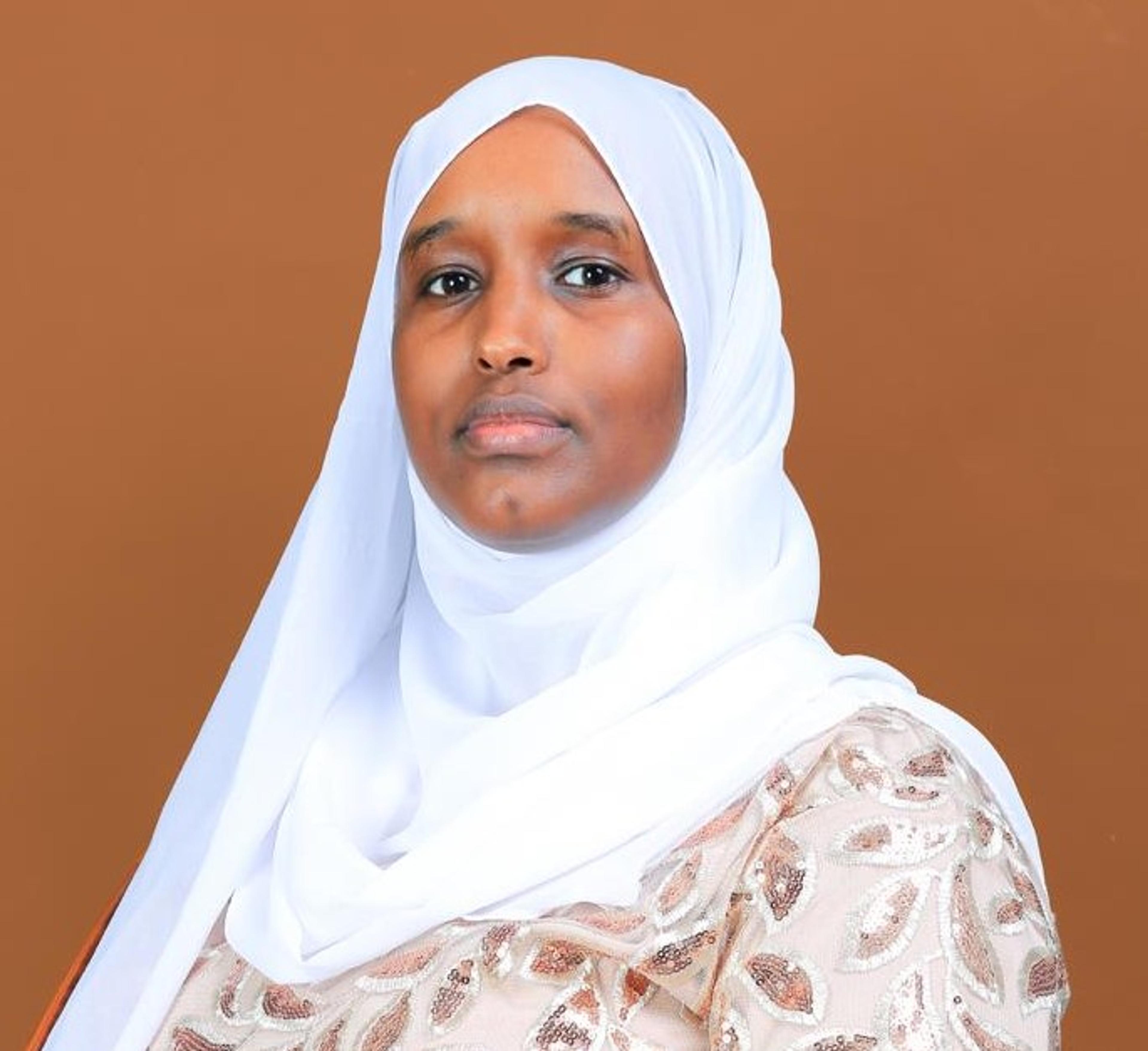
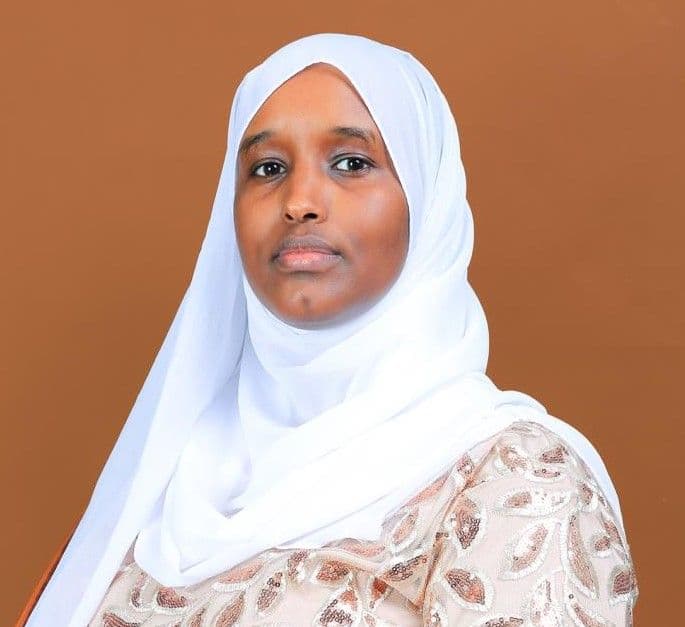
Bint Aisha is a Kenyan author, poet, educator, creative producer, and founder dedicated to using storytelling as a tool for healing, resistance, and social change. Her work explores womanhood, mental health, identity, love, memory, and justice, creating spaces where difficult conversations are met with honesty and compassion.
She is the author of Divine Disorder and the creator of Whispers of Resistance, a multidisciplinary project that brings together film, literature, and community engagement to confront sexual violence and amplify survivors' voices. Through poetry performances, writing, workshops, and public conversations, she continues to advocate for a world where art inspires action.
Beyond the stage and the page, Bint Aisha mentors young people, teaches, and leads creative initiatives that empower women and emerging artists. She also heads Bint Aisha, a platform that houses her creative practice, event hosting, creative production, and business support services.
Whether performing poetry, producing cultural events, or writing stories that linger long after the final line, Bint Aisha believes that words have the power to challenge silence, preserve memory, and transform lives.
She can be found on Instagram and Facebook @_Bint_aisha66, Substack @yappersfm and on Tiktok @Yappersfm
POETRY FOR HEALING: A CONVERSATION WITH BINT AISHA
By Aimee Chelang'at
What does it mean to be an artist, a poet, and an activist? Bint Aisha embodies all three of these attributes. I spoke with her about her art, why she does it and what she intends for a listener or reader of her art to find.
Bint Aisha describes herself as a poet, author, and blogger. One whose poetry is raw and unfiltered; poetry in action. She is right to do so as she is also a performer of her work.
In 2025, she undertook a project dubbed Whispers of the Resistance, a film and written anthology project where she documented rage and pain, in the lives of women.
Her poetry journey however, started as a way to heal from fear; “Fear can only be done away with when you let poetry chase it away.” How did she come to this conclusion? She, like most women in Kenya and all over the world, have faced some form of harassment from employers, pedestrians while walking on streets, from friends and family members and so on.
After a personal experience, Bint Aisha was afraid to even leave her house. She says that as a creative, once something drastic happens your voice can be lost; your voice can be broken. Her poetry started therefore as a means to regain her voice.
“You can only resist by speaking, and writing,” she says. “You write thinking you are alone…There is a community around it.” There are “…Women living in fear but forming resistance around it.”
Through her poetry she gained her voice back, was able to overcome her fear, and now the more she speaks the more she is courageous in her message of resistance.
While she started her poetry as a way to resist fear, her performances have taken on a life of their own, and she has built a community around them that she never envisioned she would be able to. She has met women who after severe cases of harassment and assault don't know what to do with their lives. And she rallies around them to hammer the message; that they are not alone, and that things do not have to remain the same way.
So how does she approach writing? In written work, she chases the feeling, pulling her poetry from within her. It comes to her and she chases the randomness of it. She is inspired by everything including other writers. As she says, “Memory sticks with you, the heaviness, anger, feeling.” All of those inspire her to write.
In her performances, however, anxiety is a constant companion. “I sit out with anxiety,” she says. “I let it be there.” Even as she does rehearsals, she does not hide from the heaviness but puts herself within it over and over again. She believes that it is only in this way that one can get through heavy topics. Her creative work takes the same approach: the only way is through.
Through her work, she has experienced unexpected feedback from her audience. Once, while performing at Baraza Media Lab about womanhood, she recalls women standing in the audience, girls getting up to clap and cry. What she has learned is that harassment, sexual assault, the things women go through, are never isolated. There is always someone else who has experienced it.
“Women in this country are living like thieves, surviving like criminals,” she says, explaining how women get victimised at every turn.
But when she writes, she does not intend to document the experience of women or society in general; she expresses her subjective view. It is only that often, she has found that her perspective resonates strongly with many women. It is for this reason that she created her project, Whispers of the Resistance.
Bint Aisha does not like containing herself to one point of view and in this project she wanted no barriers to entry, so she turned to film.
For some people, she says, “Emotion evades them when they read, film hits harder.”
She aimed for the anthology to contain the experiences of five women but the final written anthology, Lend Me Your Scream, contained seventeen contributors. She collaborated with other young creatives and editors to get the project going, and the anthology is available for free in an e-book format on her page.
She remembers there was a heavy reception to the film, after the showing at the Kenya National Theatre.
“Dead silence, as if everyone was digesting the magnitude of it… people were breaking down from it. The pain was terrifying…Women came to me saying that we need more of it.”
The reality of life for women is discouraging. She is interested in “What happens to them after awareness; how does a woman live, survive?”
In her view, transformation is harrowing, where space has to be held for yourself or you will be swallowed by pain.
But to Bint Aisha, avoiding these heavy topics is not an option; “We have to let people sit in the uncomfortability. Give them a shove if you can.”
In future, Bint Aisha looks forward to expanding her performing spaces, creating more platforms online and in person to express these things that people hide. Giving more space to victims, having more stories out there. It is only in this way that they can get to the other side of healing.
Join the Conversation
(0 comments)Sign in to join the conversation
Share your thoughts and engage with our community