Soul of the City by Lawie Metto

The Editors
Contributor
Published in Qwani 02
-
The city awakes and converges, at first light, it does. In a matatu, there is a symbolic meeting of all the peoples of the city, in separate groups and similar forms. From all walks of life and all drives of its environs. They sit in silence but aloud in thought. They are more alike than they know. All of their thoughts indicate ambition, a holding of breath. The city is at haste and also at its slowest. The traffic has become characteristic and inevitably incorporated into routines, the time determining how long drives take. However traffic isn’t something to moan about; it is the consequence of choice, the survivor's guilt. After all, everyone wants to drive at some point. The soul of the city never sleeps, it stays awake.
At dusk the city converges again, desperate for rest. At this moment it is not in haste, just the natural need to arrive home early. No one really runs home, a fast walk will do. They are sitting in silence but don’t hold their breaths in ambition. Whatever happened happened and whatever didn’t didn’t. This truth is accepted by all. They are more alike than they are different. Ambitious thoughts are engulfed by the night shadow and replaced with lust; the city at night. Ambition knows its bounds, a little lust, and a little debauchery, maybe not a little won't hurt. The soul of the city does not tire, it rejuvenates.
The city at night is unholy, filthy like its rivers, loud like its hypocrisy, and greedy like its government. To each his own. Whether the trinity of cheap liquor in Konyagi, Chrome, and Best and the bad decisions that follow, or the cannabis burnt and the peace that descends, or the khat chewed and the misinformation that spreads. Broken dreams are drunk to and achieved goals cheered to. They are more alike than they are different. Crime rises, but there’s a pride in evading it, knowing it lurks and dodging it. The soul of the city is not sober, it is tipsy.
The city is as diverse as its people. She who speaks with a British accent in Westlands and he who speaks sheng in Ngara. She who walks fast in town to avoid cons and he who walks slow when he sees cops to avoid unwarranted suspicion. He who knows the routes to use when he’s late and she who knows the routes to use when she wants to be early. They are more alike than they are different. The soul of the city is not choreography, it’s a freestyle.
The city is one of balance, everyone gets a pinch. The youth wallow in alcoholism and the old in liver cirrhosis. The poor struggle with provision and the rich with indecision. Men just can't seem to get their fashion right and the women have foundations that would build strong homes. The students and lecturers both arrive late due to traffic. The women are as beautiful as they are gold diggers. The men are handsome but have baby mamas. The soul of the city is fair, a good judge.
The city is a home, a parent to the lost child. During the December festivities, the city is almost vacant, but a few remain. The sons who did not omoka, having nothing to show, and the daughters who got pregnant having a lot to show remain. The boys who grew fond of other men and the girls who fell for the fairer gender don’t leave. The dudes that got dreadlocks to get the ladies and the ladies that got tattoos to heal their mental health choose to stay. The soul of the city doesn’t judge, it embraces.
The true reflection of the city is in its art and artists. Its adultery when Mr. Right from Buruklyn Boyz raps “…and welcome to the city of sex” in the single titled Nairobi. Its drama when GK and her baddie friends allegedly shout in the wee hours at her ex’s parking lot. Its theft when copyrighted paintings allegedly dawn Imaara Mall. Its creativity is in loudly painted matatus. Its history in Tom Mboya’s statue standing ten meters high and twenty meters from where he was assassinated. The soul of the city is not hidden, it is expressed.
The closest imagery of the city perhaps lies in this quotation from the celebrated film ‘Nairobi Half-Life’. A drunk uncle declares this in response to the news of Mwas going to the city, “…be wary of women and alcohol. Nairobi has the worst people. The better you become, the harder they try to stop you. You cannot be good in Nairobi and survive…The whole society is rotten, just like Babylon.”
The city has a soul, it is alive. Its inhabitants don’t make it, it makes them. It attracts the ambitious and repels the weak. It takes away headless hope and gives justifiable reality. It detests the careless and loves the vigilant. The soul of the city is everlasting once engraved, that even if you ever leave, it lives on in you. Nairobi has a soul.
GLOSSARY.
Omoka: to succeed financially.
Baddie: female person, associated with beauty and modernism.
Sheng: slang spoken in Kenya.
Author's Description: I think, therefore I Am.
To communicate with the writer:
Email: mettolawie@gmail.com
-
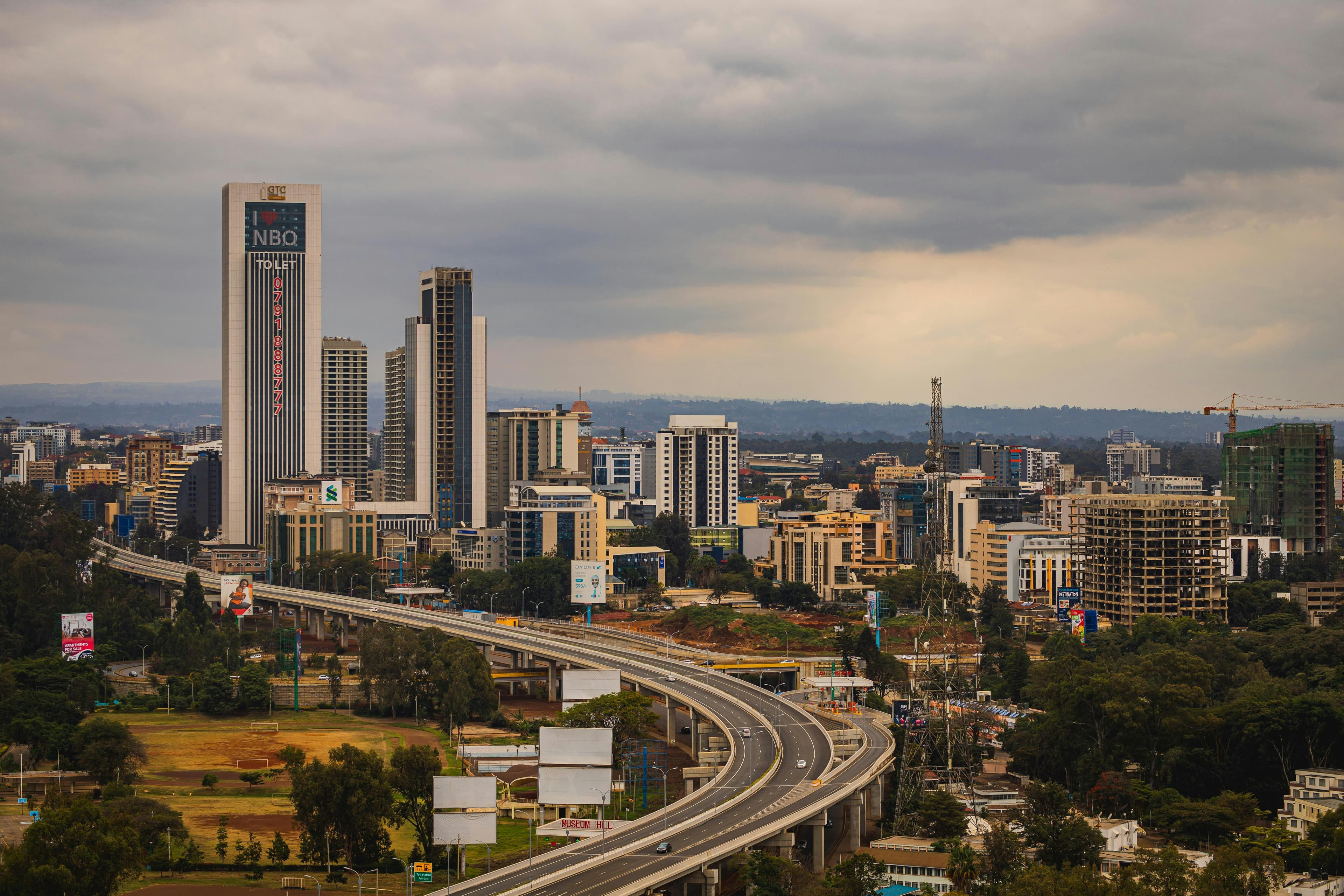
Photo by Mukula Igavinchi
Join the Conversation
(0 comments)Sign in to join the conversation
Share your thoughts and engage with our community